Photoacoustic Sensing, MEMS & Nonlinear Acoustics and Vibrations
My thesis project — a MEMS-compatible photoacoustic CO₂ sensor built at Hahn‑Schickard — sits at the end of a longer chain of lab work across five placements and four countries. Below: the flagship sensor project, then that chain from undergrad research in Bangladesh through the Erasmus Mundus WAVES program, and the publications it produced.
 Erasmus Mundus
WAVES
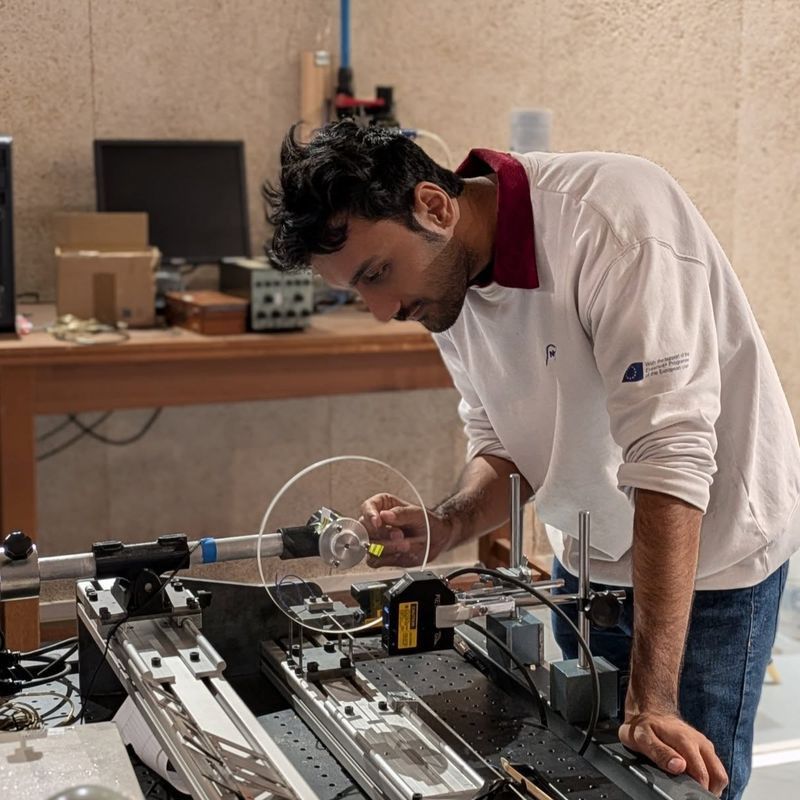
A MEMS-Compatible Photoacoustic CO₂ Sensor
Photoacoustic spectroscopy turns light into sound: a modulated laser tuned to a gas's absorption line heats it periodically, generating an acoustic pressure wave proportional to concentration. Trap that wave in a well-tuned resonator and you get a sensor that's selective and, done right, small enough to sit on a chip. This project took that idea from an aluminium test cell to a tunable, MEMS-ready resonator validated with lasers, COMSOL, and a lock-in amplifier.
Four resonator generations
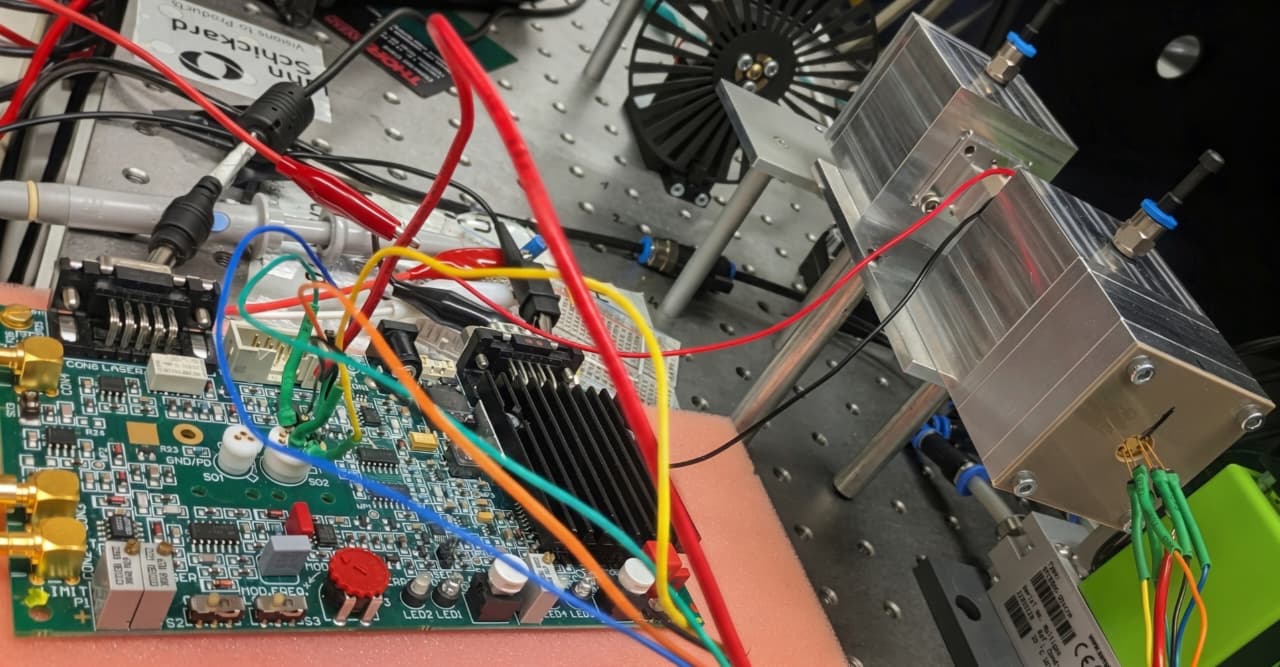
Baseline Longitudinal Resonance Cell
A straight pipe with quarter-wave buffer cavities at each end, sized to work with either of two lasers without a different housing for each, a DFB laser on CO₂'s strong fundamental band, and a VCSEL on the much weaker overtone band, the long-term target for a compact, low-power sensor.
Under DFB excitation the cell resolved CO₂ cleanly across a wide concentration range. Under VCSEL excitation the signal sat close to the microphone's noise floor ; the result that motivated everything below.
Tunable Multi-Neck Helmholtz Resonator
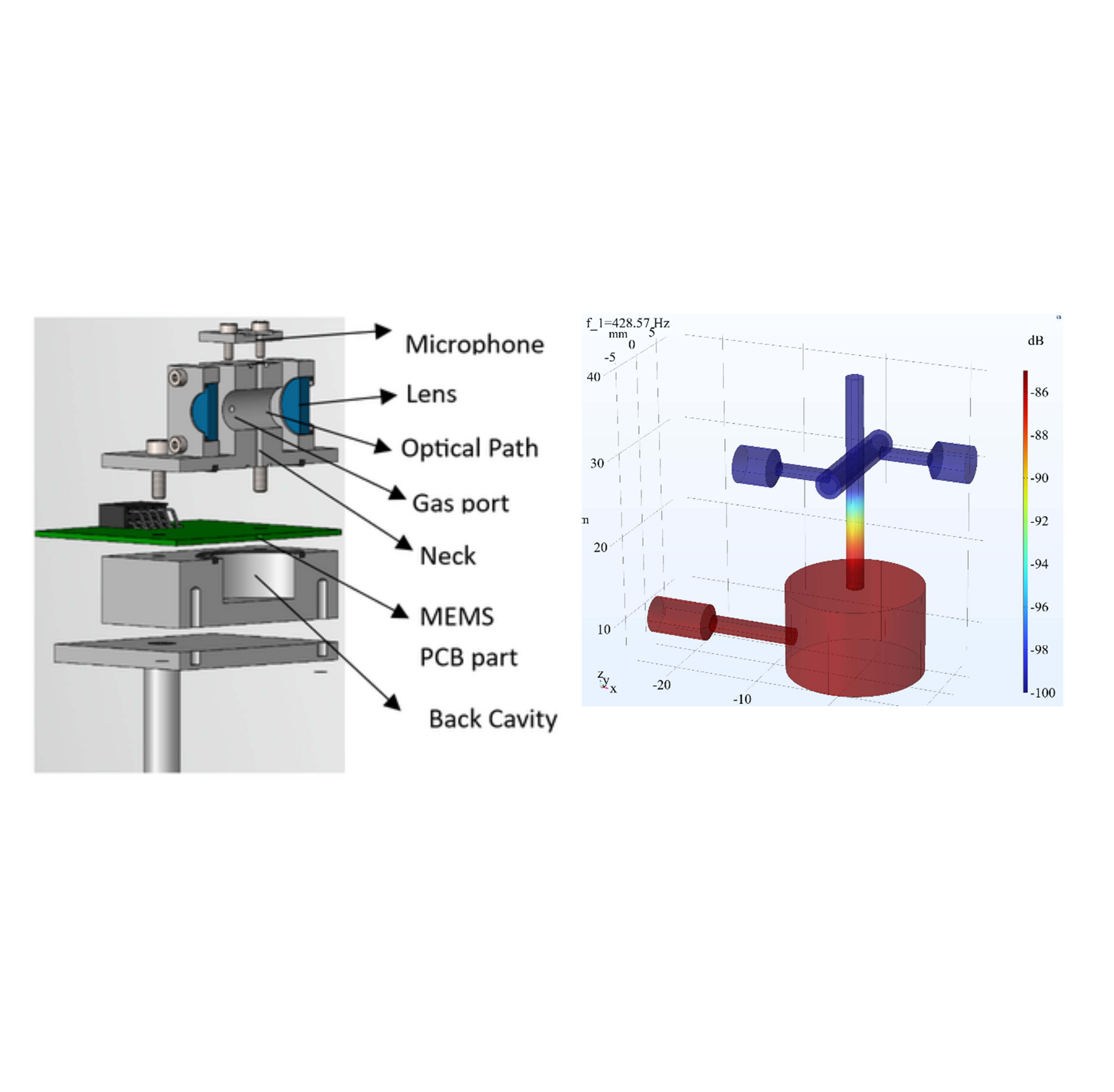
A Helmholtz-type resonator with a second optical channel (so gas flow never disturbs the resonant mode) and a dedicated mounting neck for an in-house MEMS cantilever microphone ; my main design target for the whole project. COMSOL's thermoviscous acoustics interface identified four characteristic frequencies, each traced to a specific physical sub-element.
Tuned via neck-radius reduction, with Q rising as the neck narrows ; a direct, physically-grounded design lever.
Indirect Photo-acoustic resonator
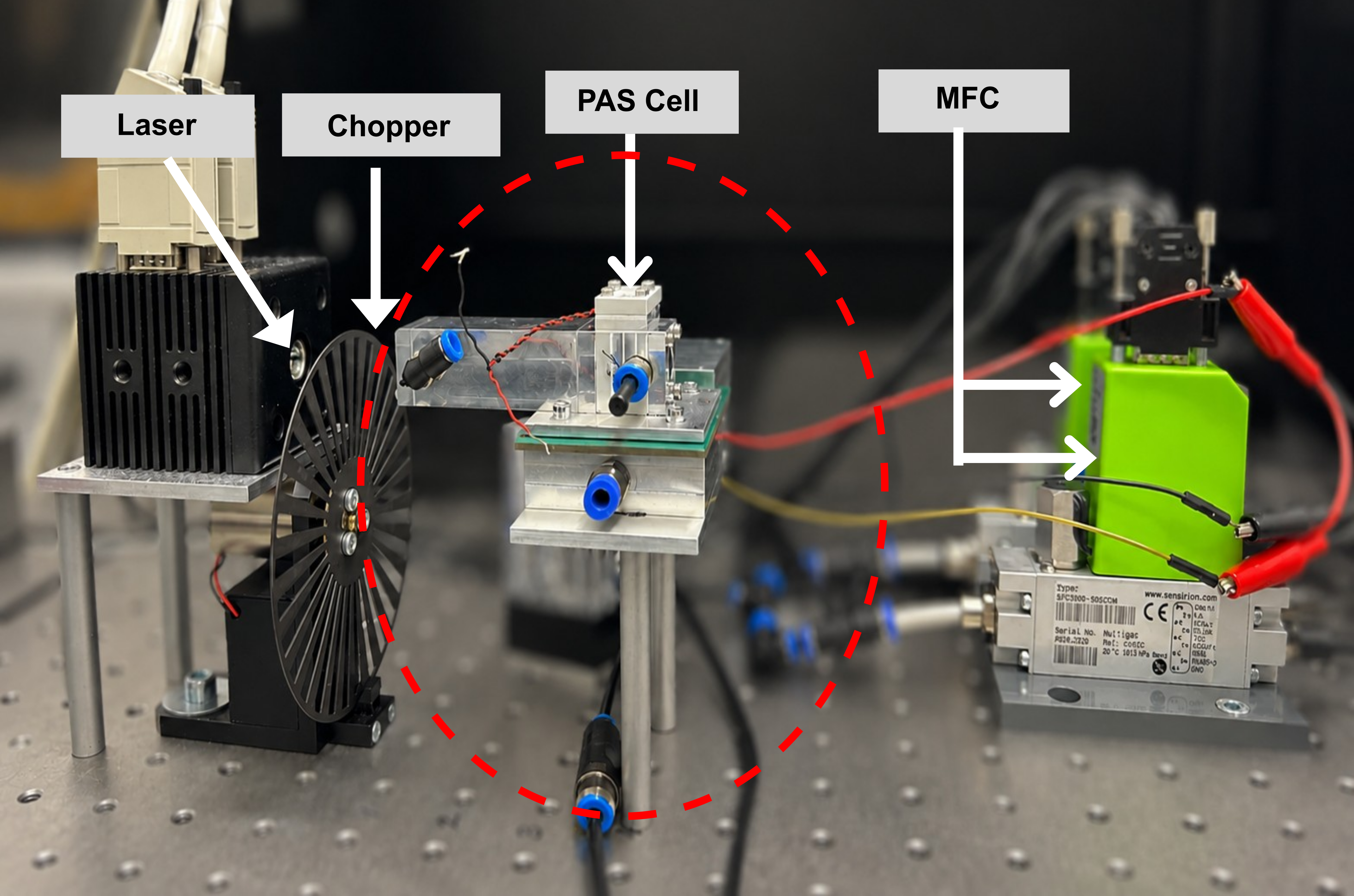
Along with my supervisor, i have worked on indirect PAS. Here there would be a mix gas in front and later on out target gas.
This one is different then the rest of the geometries.
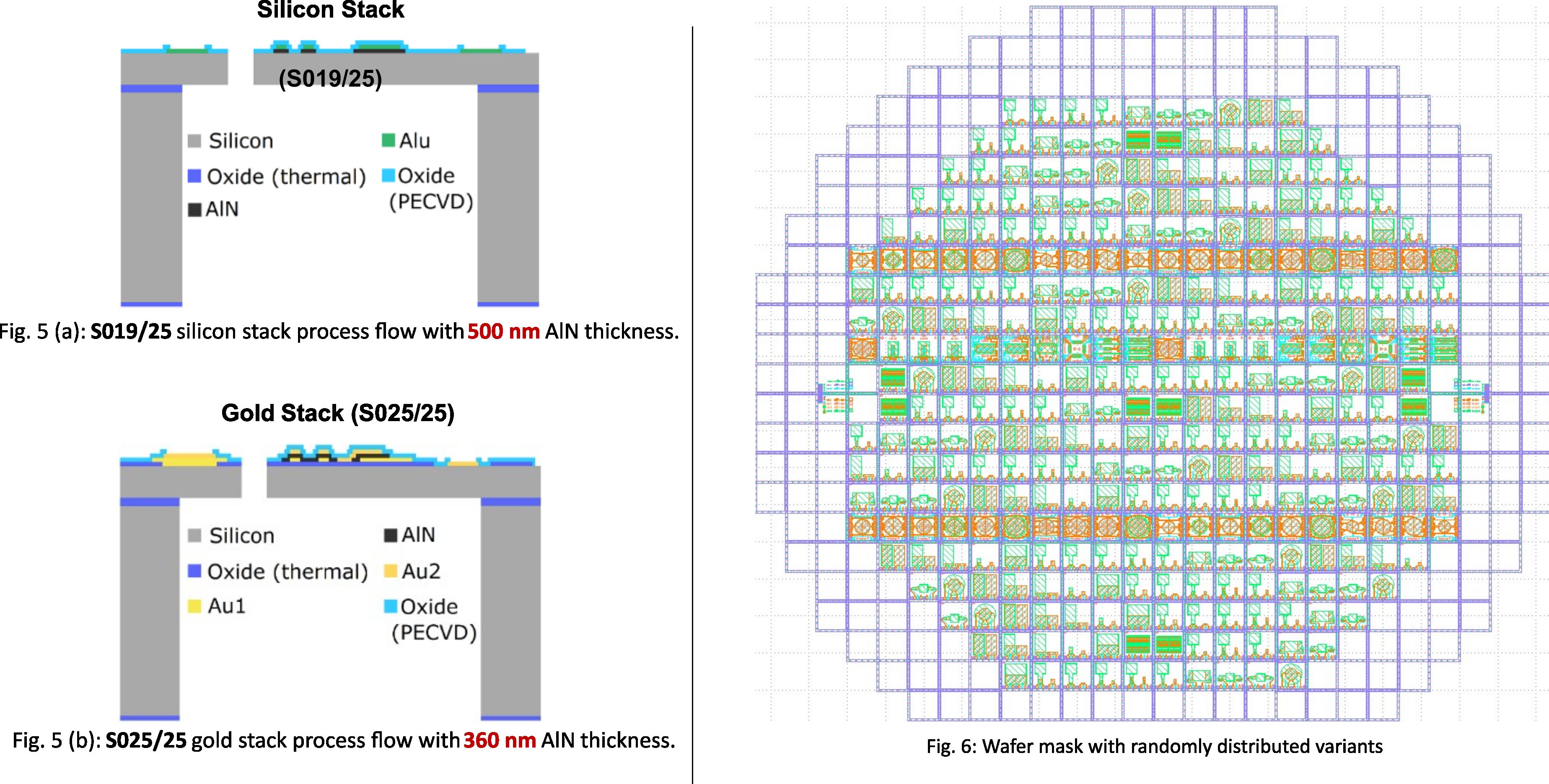
MEMS Testing Geometry
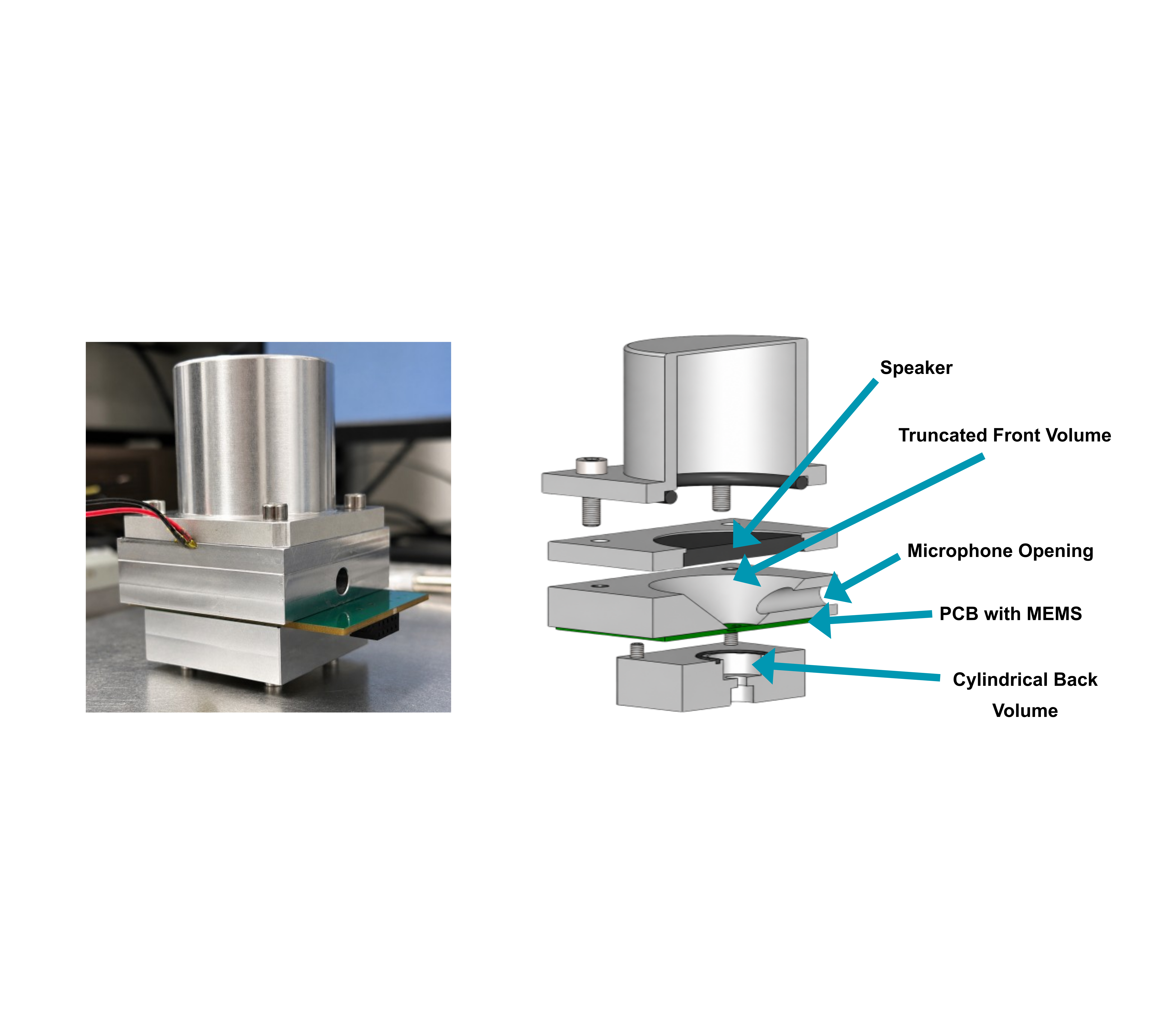
This geometry is specifically designed for testing the MEMS resonator's performance under various conditions.
Here is a electrical loudspeaker and a MEMS cantilavier resonator.
From hours to seconds: a lumped-element design tool
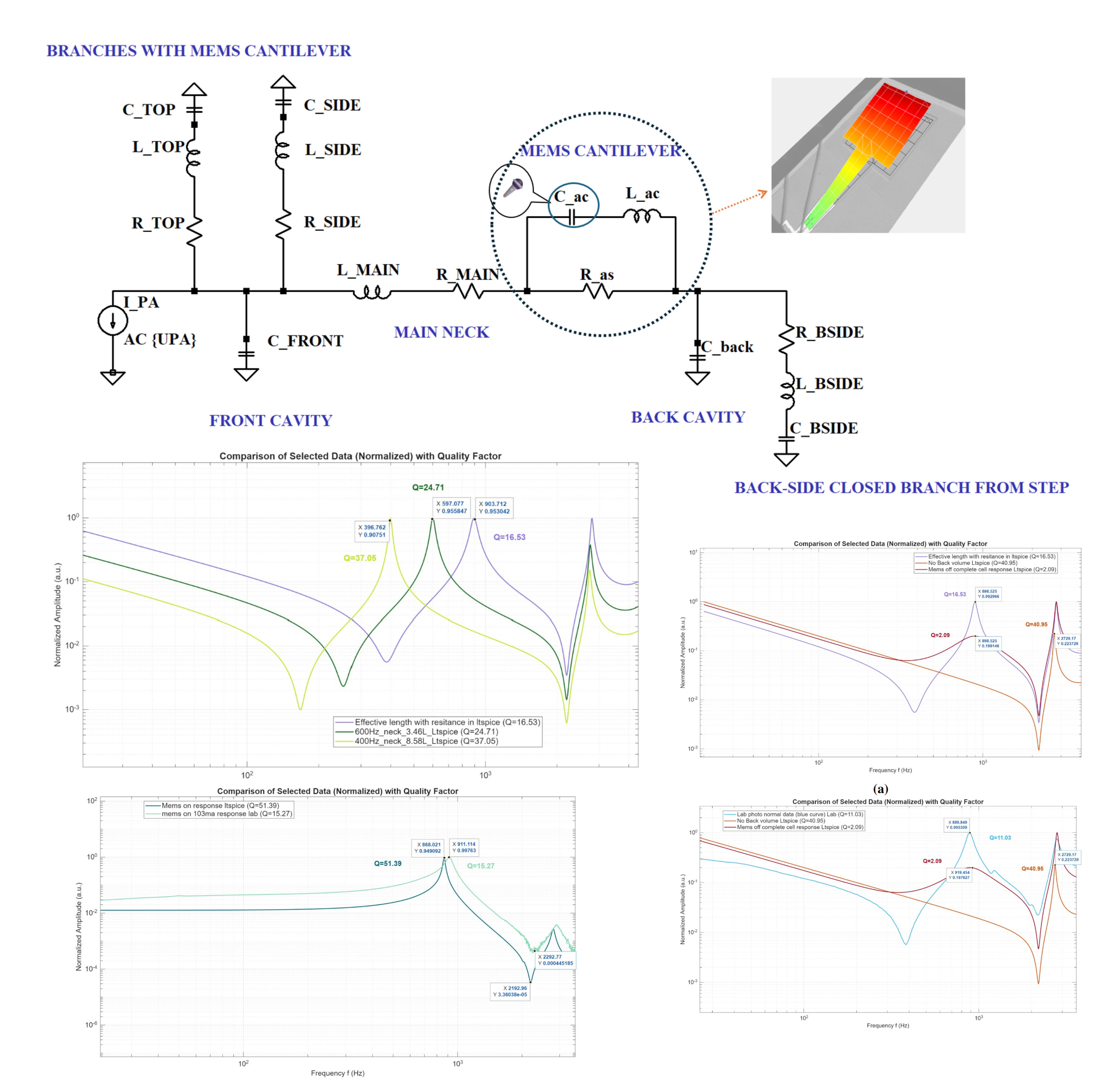
Geometry 2 has no closed-form resonance formula, and a full thermoviscous COMSOL sweep took hours per configuration too slow for real design exploration. So I derived a transfer-matrix-based lumped-element model: every duct and cavity becomes an inductor, capacitor, or resistor via the acoustic–electric analogy, assembled into an LTspice netlist that solves in seconds and matched COMSOL closely across all four resonance modes.
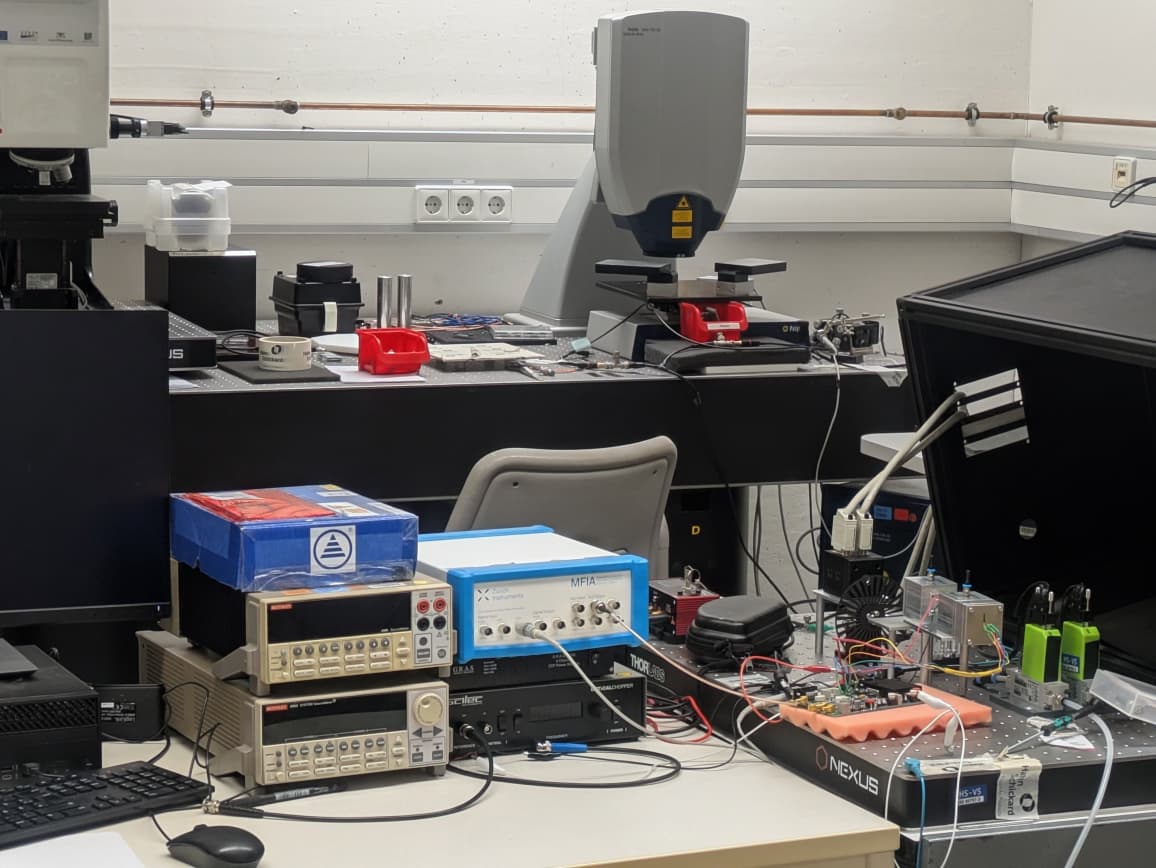
Code, netlists, and simulation files
Analytical models, COMSOL files, and LTspice netlists are archived on GitHub.
Five labs, four countries
The MEMS sensor project above didn't come out of nowhere it's the fifth in a chain of lab placements: undergraduate research in Bangladesh, then three Erasmus Mundus WAVES semesters across Portugal, Spain and France, then the Hahn‑Schickard thesis in Germany.
Undergraduate Research & Honors
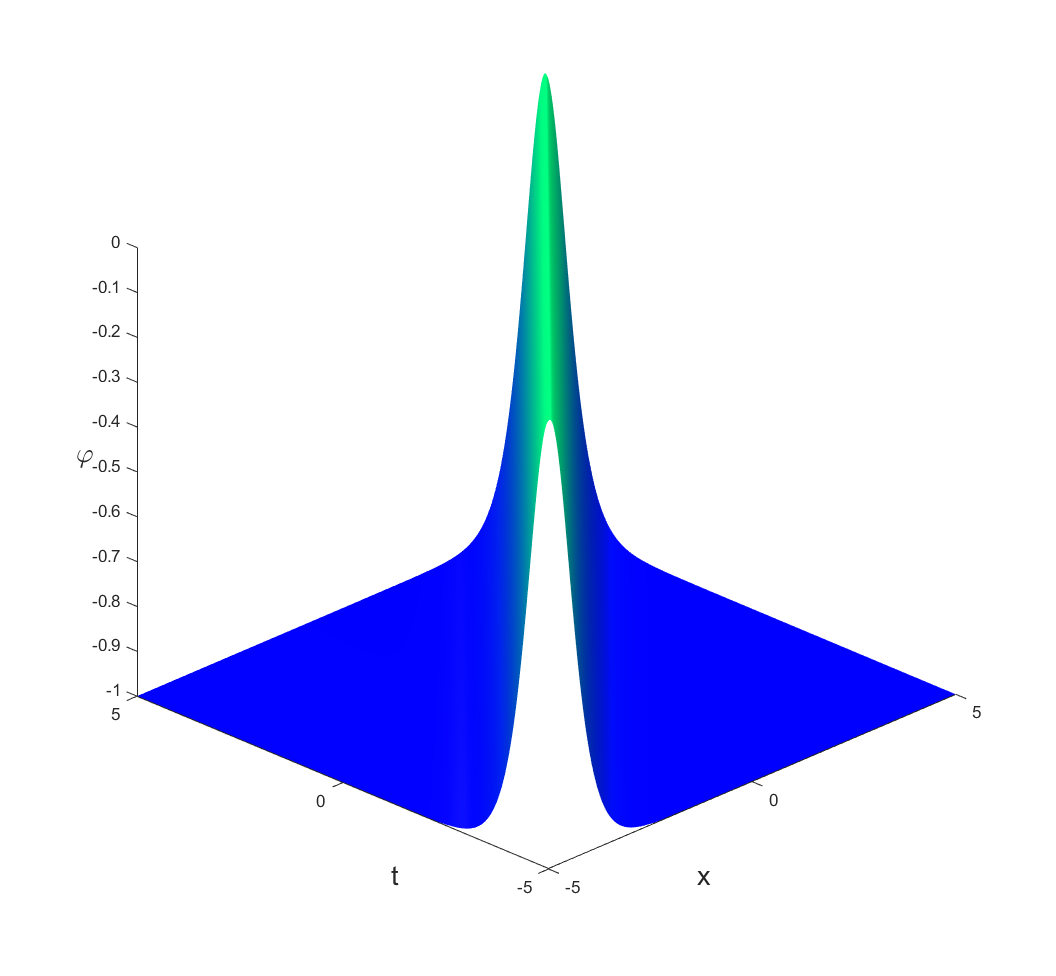
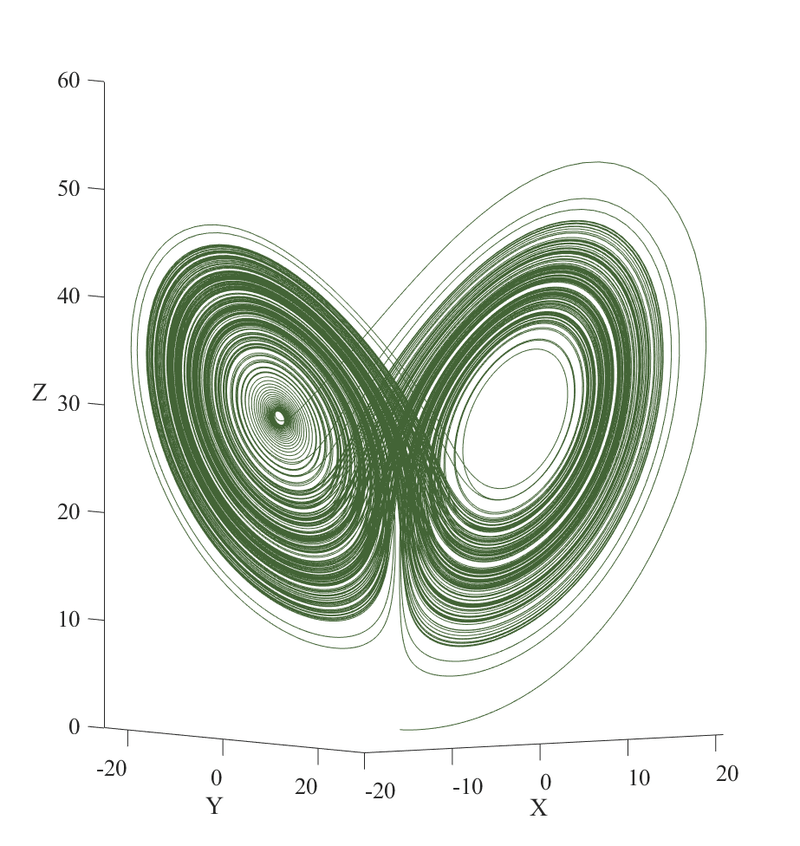
My research life started with exact and semi-analytical solutions to nonlinear partial differential equations soliton solutions for ocean-wave models, stochastic PDEs driven by Brownian motion, and hidden chaotic dynamics in fractional-derivative systems. Working under Dr. Md. Tarikul Islam in the Department of Mathematics, this produced two published journal articles and laid the numerical-methods foundation (Mathematica, MATLAB, symbolic computation) that everything since has built on.
Vibration, Porous Materials & Computational Modeling
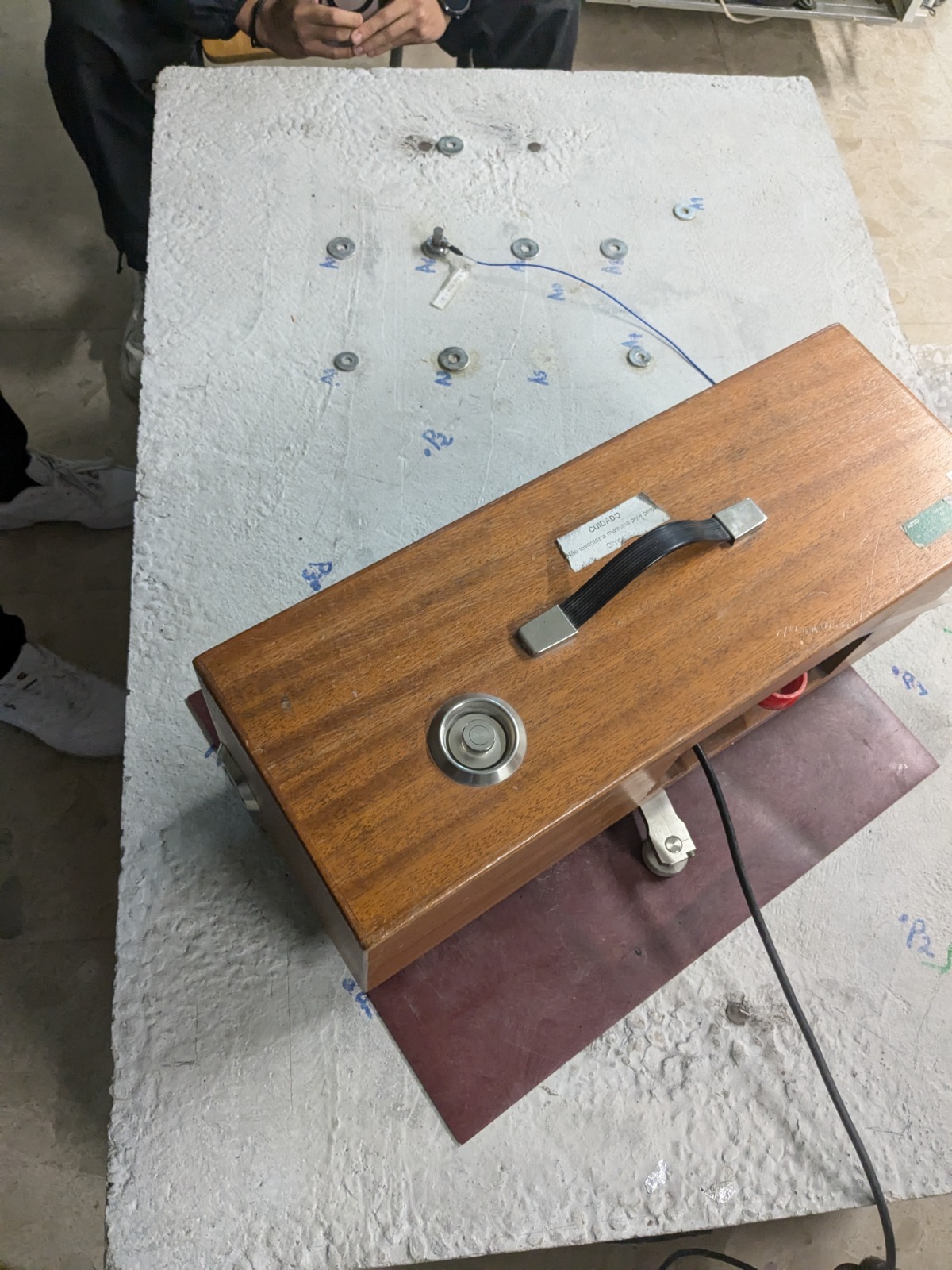
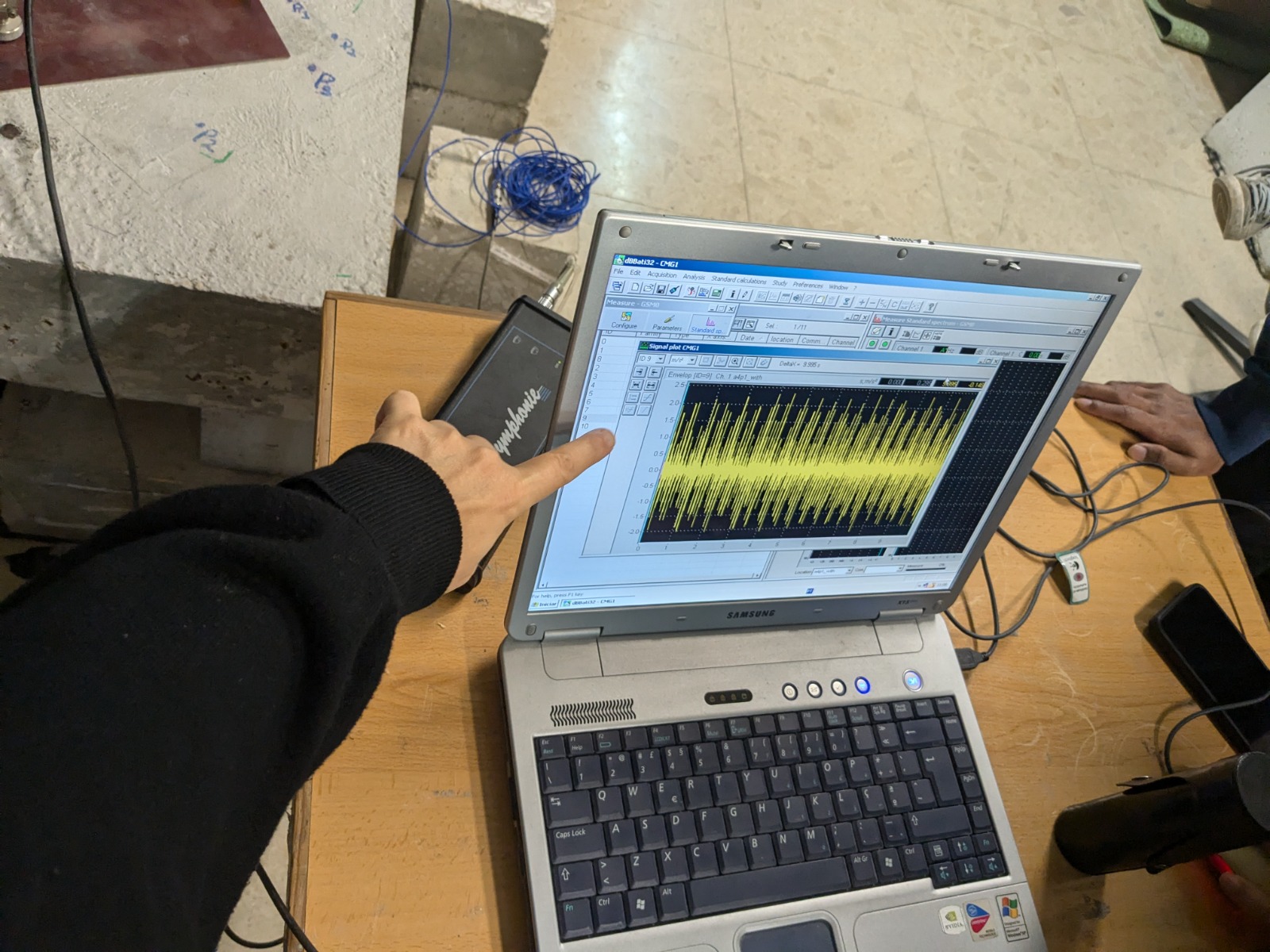
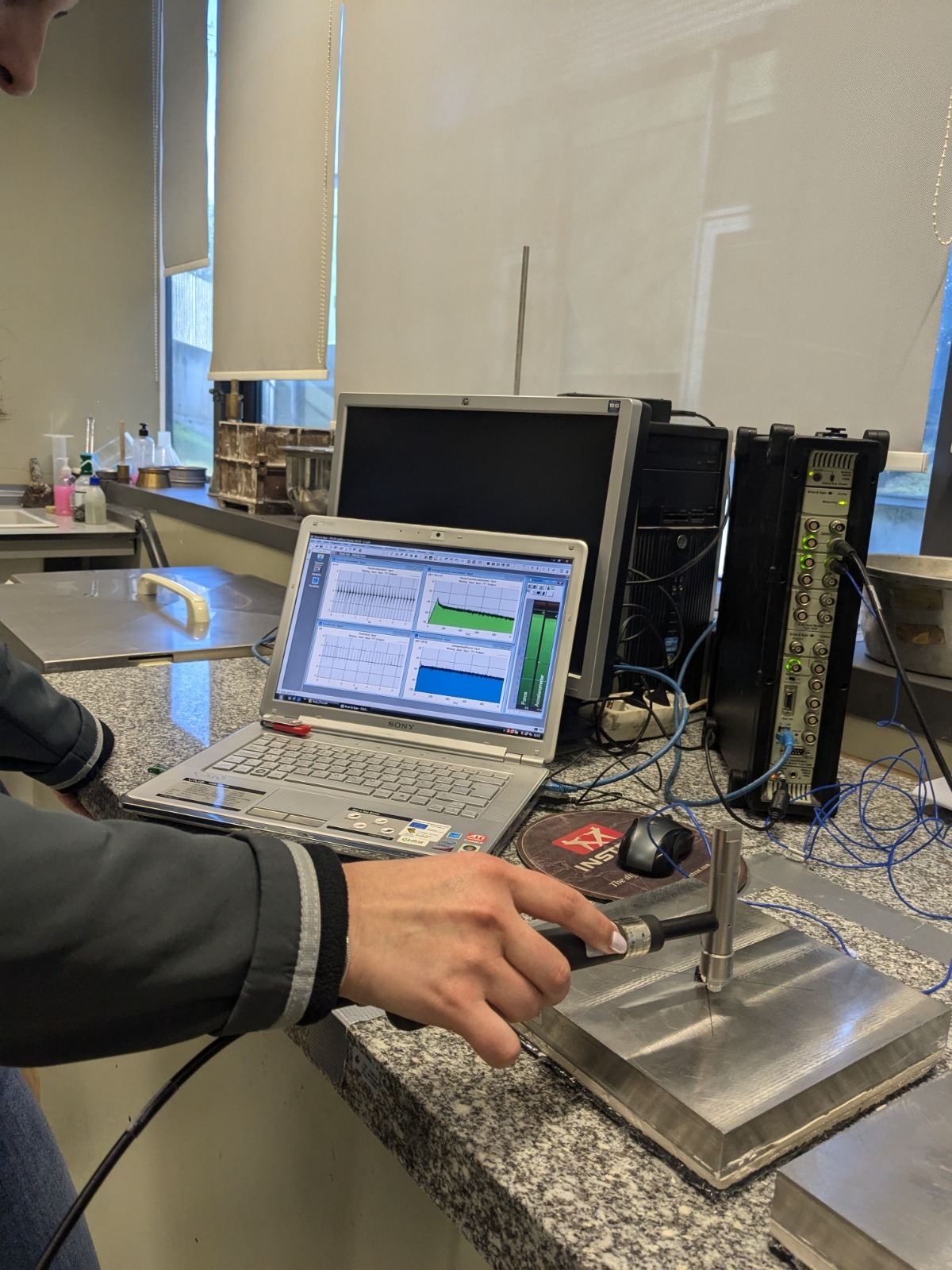
First semester coursework centered on structural vibration and civil/porous-materials acoustics running accelerometer arrays on concrete slabs, and microscopy work characterizing porous absorptive materials. In parallel, a computational-modeling project used finite-difference and finite-element methods (FDM/FEM) to solve heat-conduction and acoustic wave-propagation problems from first principles.
Electrical Labs, Instrumentation
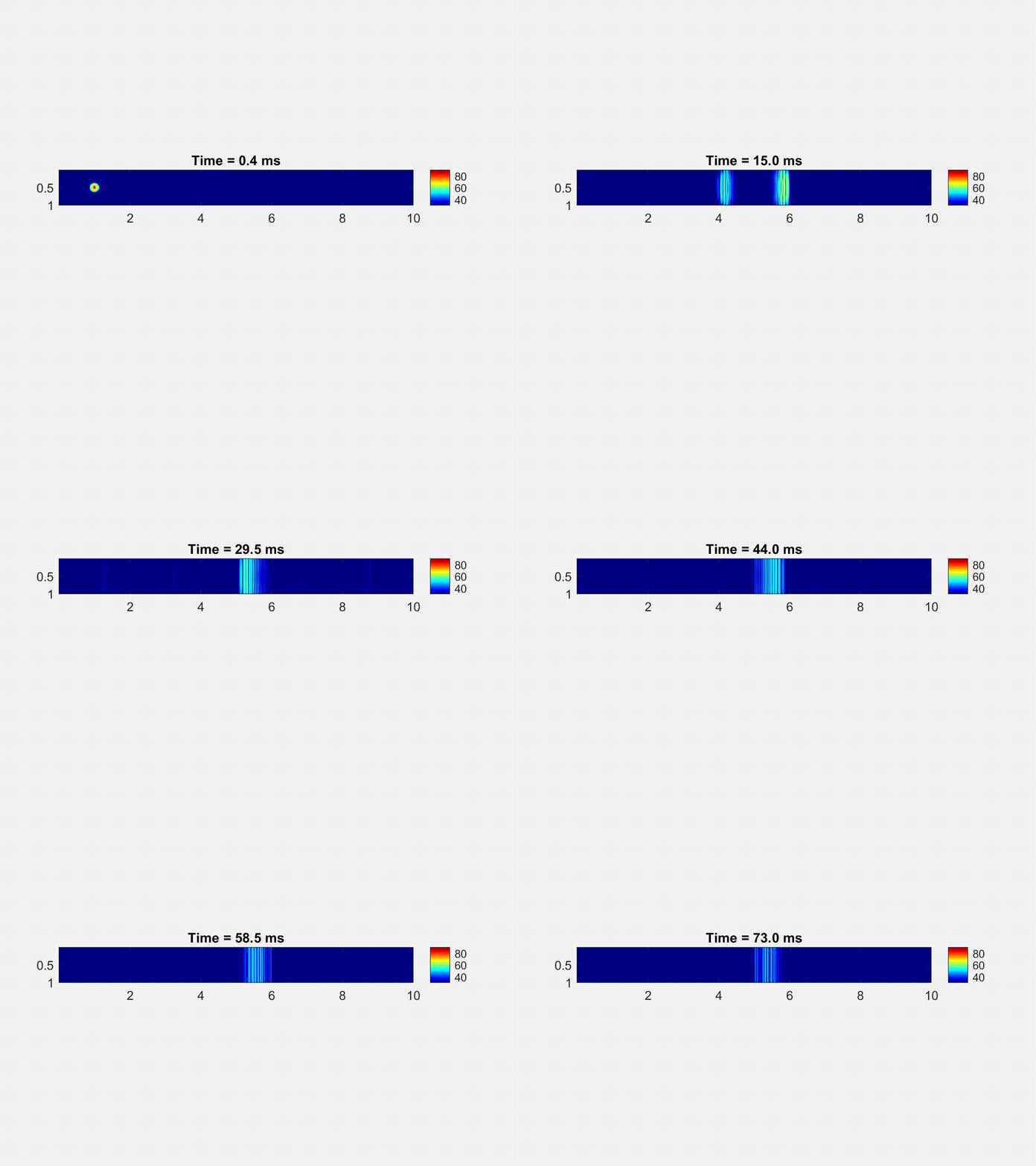
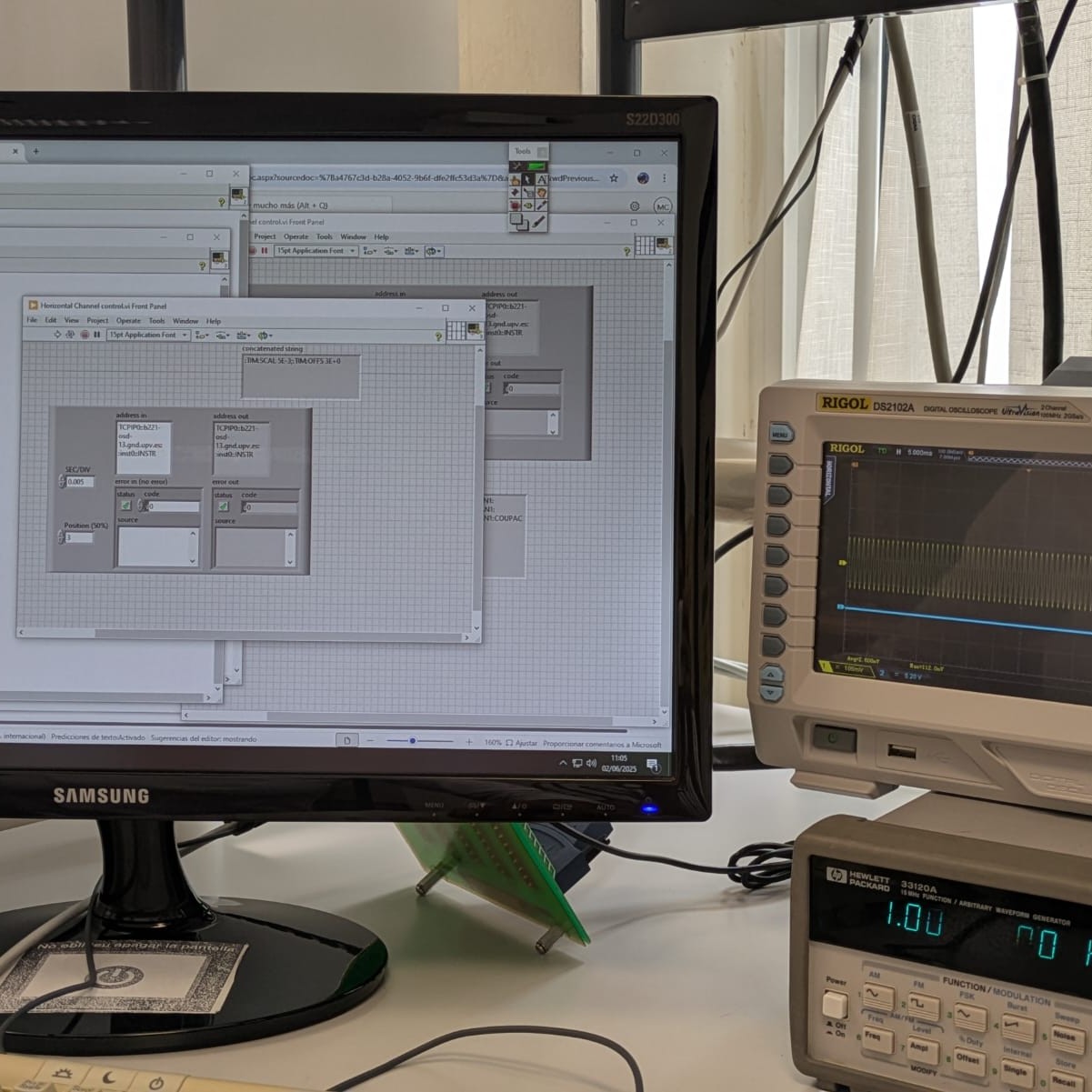
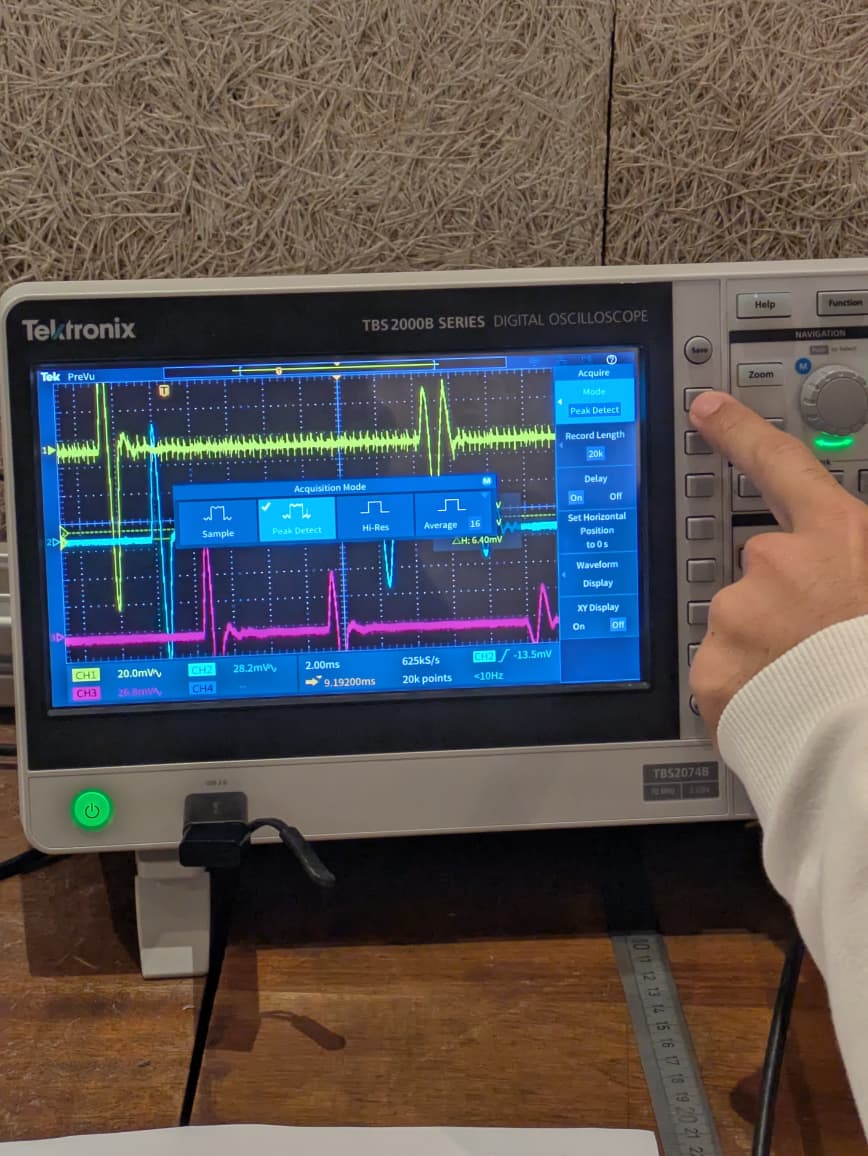
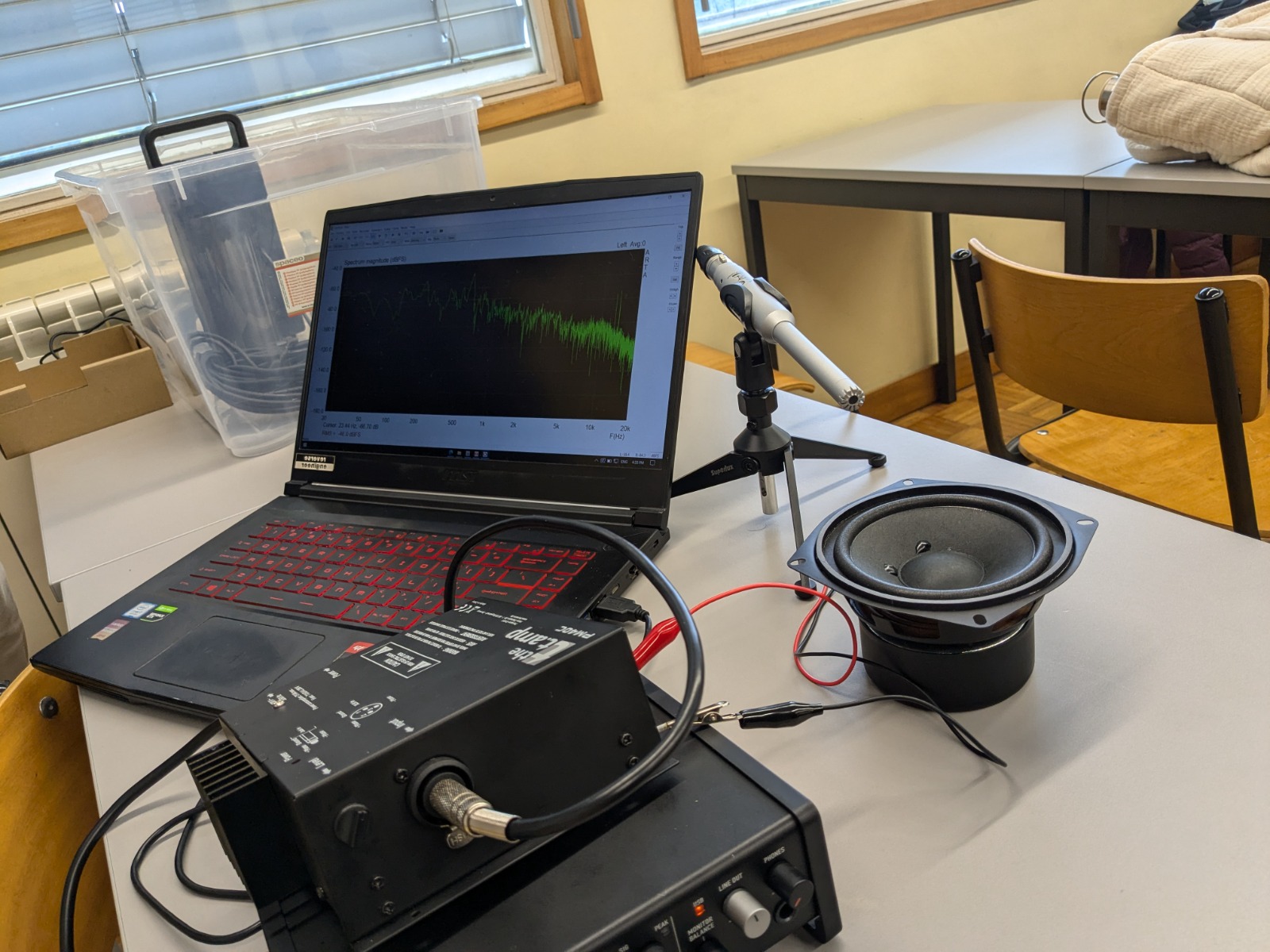
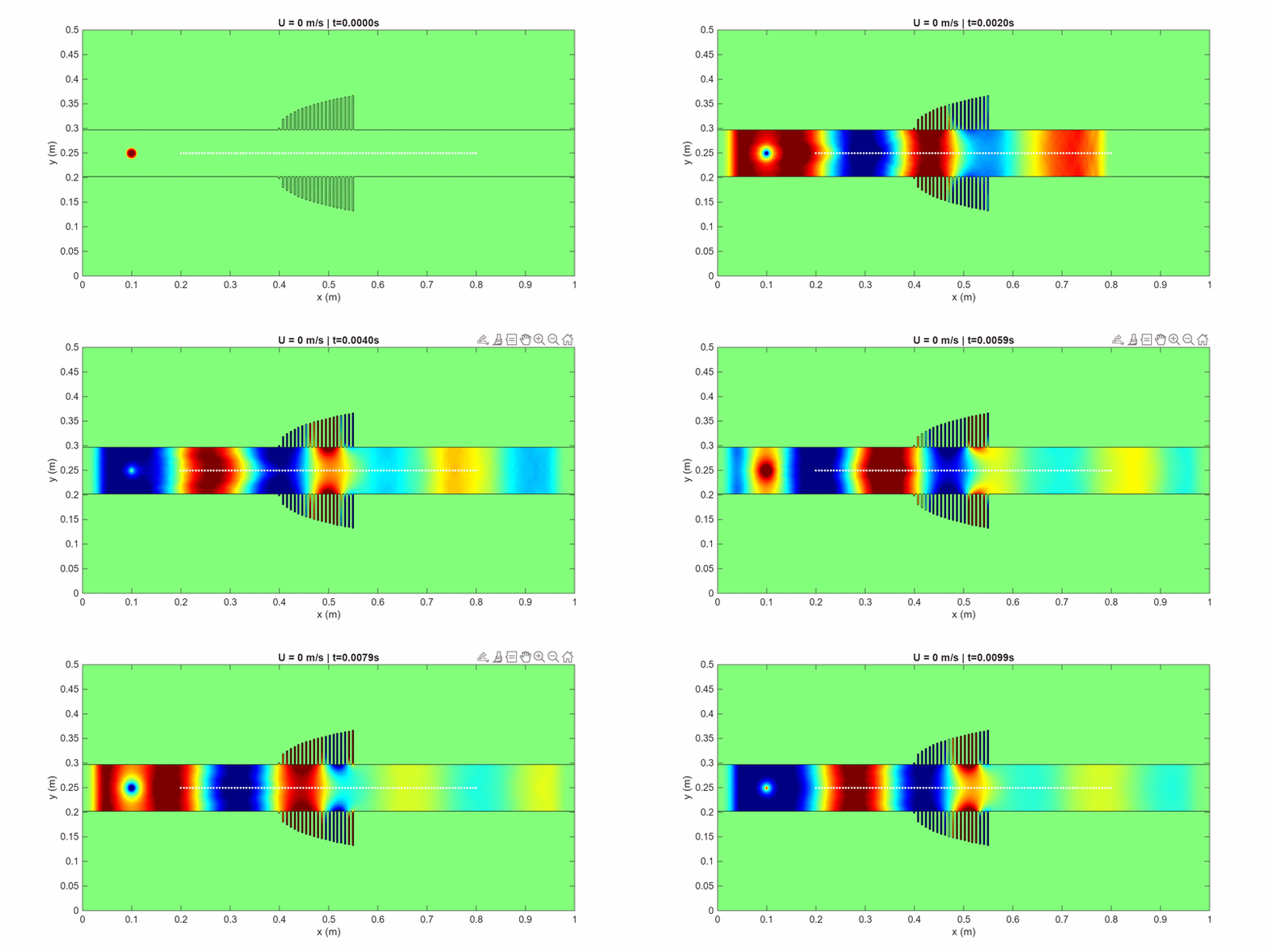
The electronics-heavy semester: building a LabVIEW-controlled measurement portfolio (signal generators, oscilloscopes, remote instrument control over TCP/IP), running FDTD acoustic simulations, and coursework in Ultrasound, Room Acoustics, and Electroacoustic Systems — including hands-on work with a Zener-diode noise generator (Home Laboratory) and omni-directional microphone characterization. Two applied signal-processing projects grew out of this base: distinguishing ship-engine and propeller acoustic signatures from marine biological sound (bottlenose dolphins included) for port-noise monitoring in Gandía Harbour, and a car-engine fault-diagnostics study using STFT, Hilbert-envelope, and spectral-kurtosis analysis.
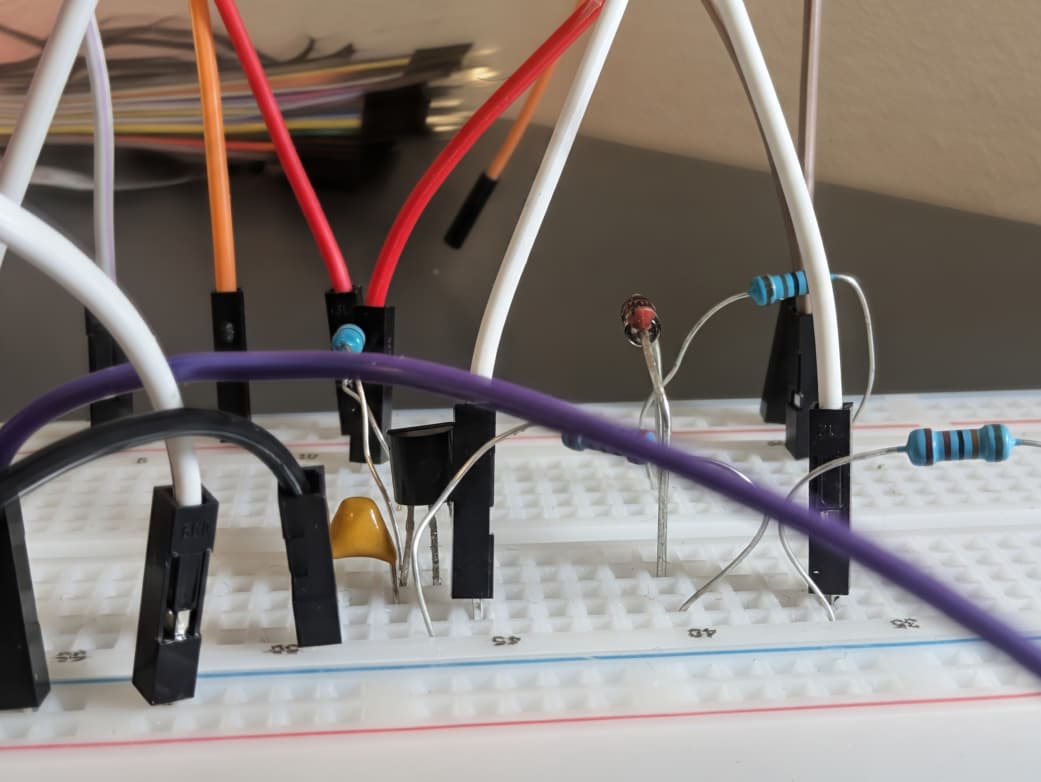
The Zener-diode noise generator work grew into an ongoing personal project run out of my own home laboratory — more on that below.
Granular Metamaterials, MEMS Acoustic Imaging & Nonlinear Vibration
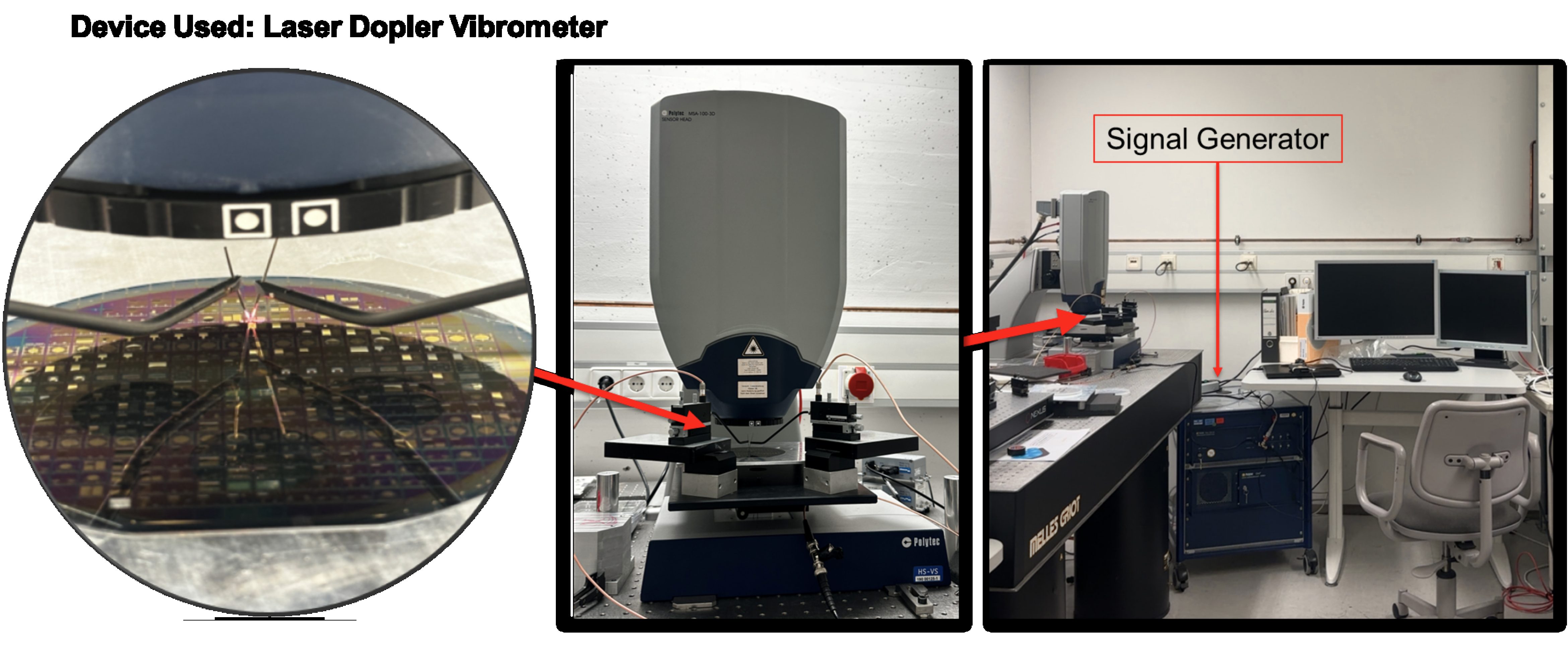
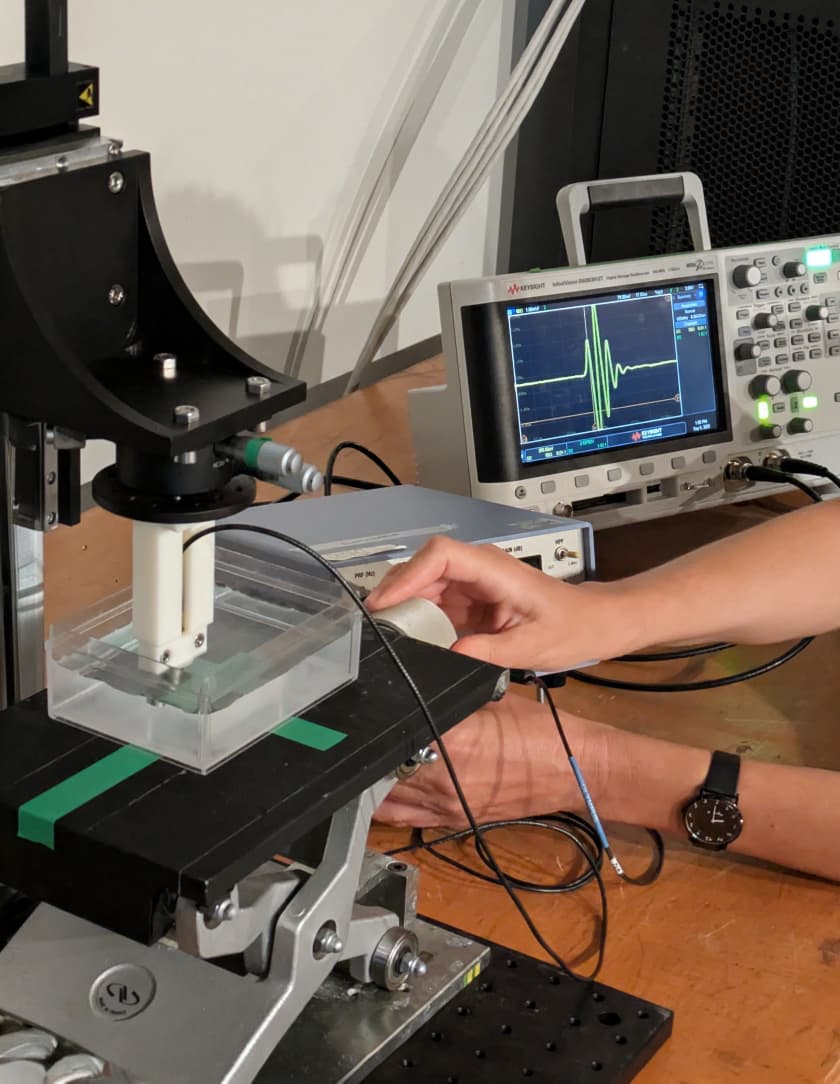
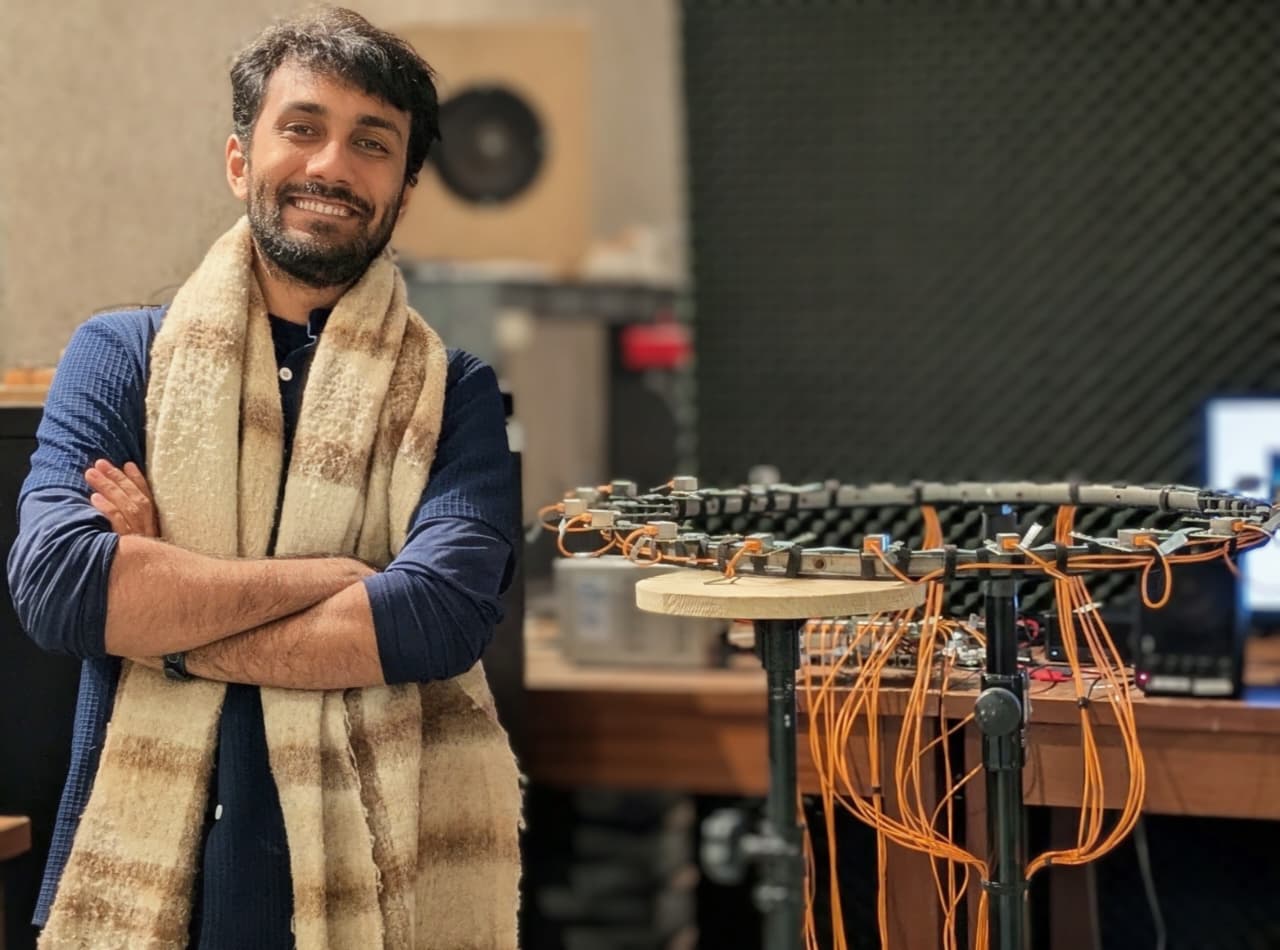
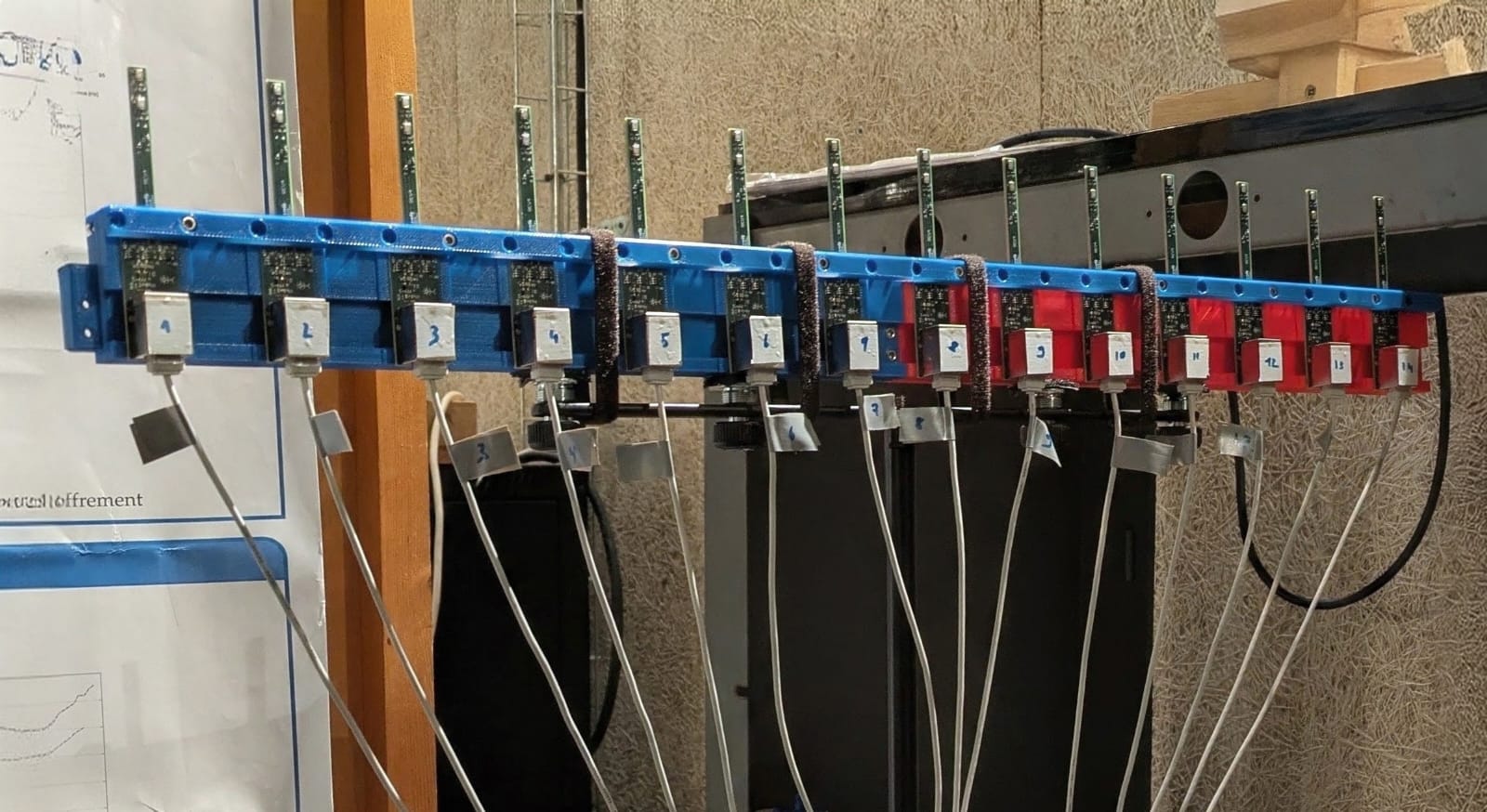
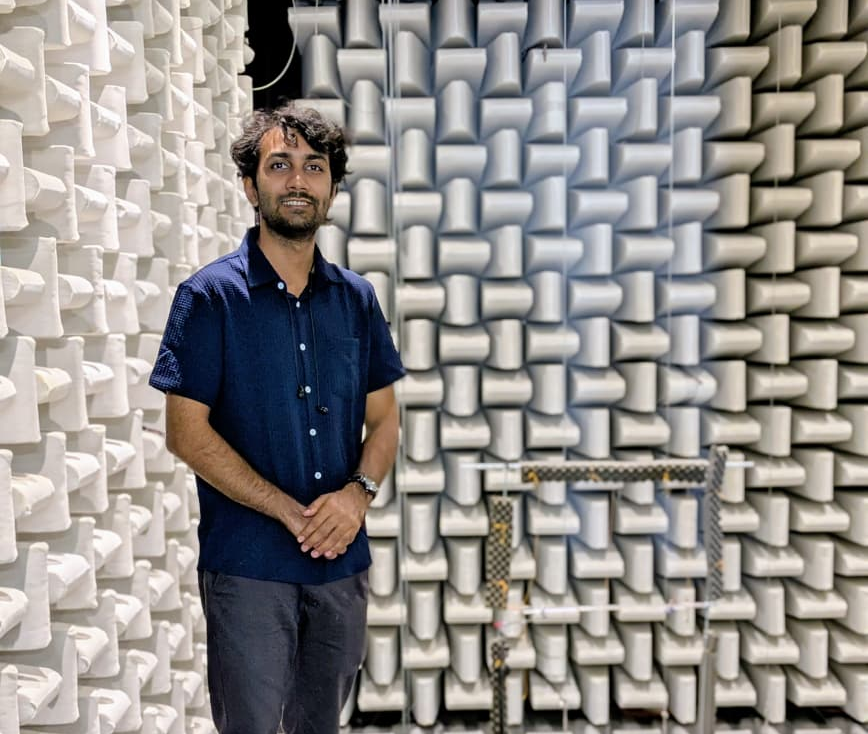
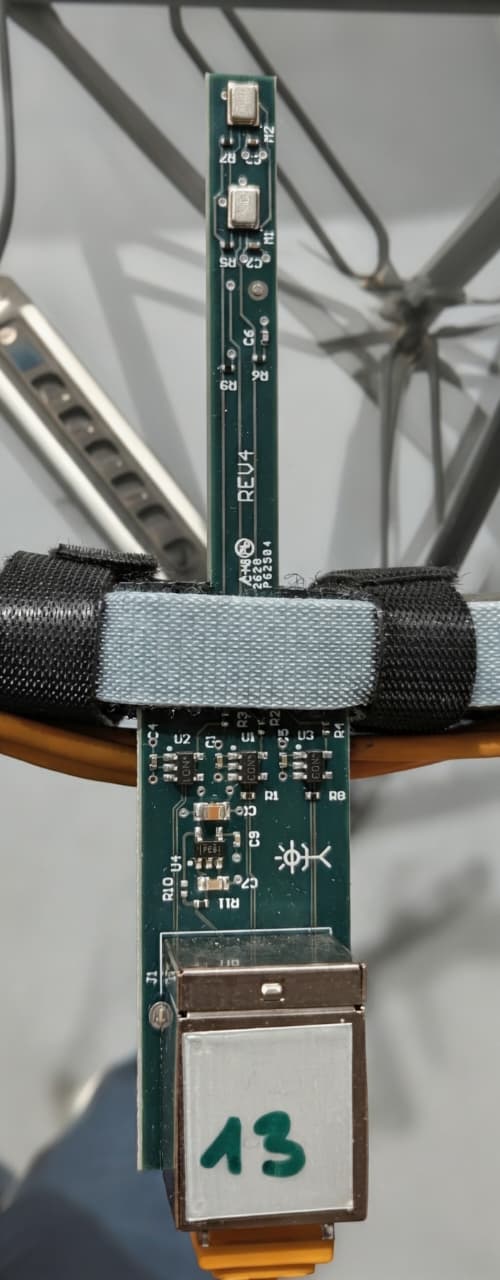
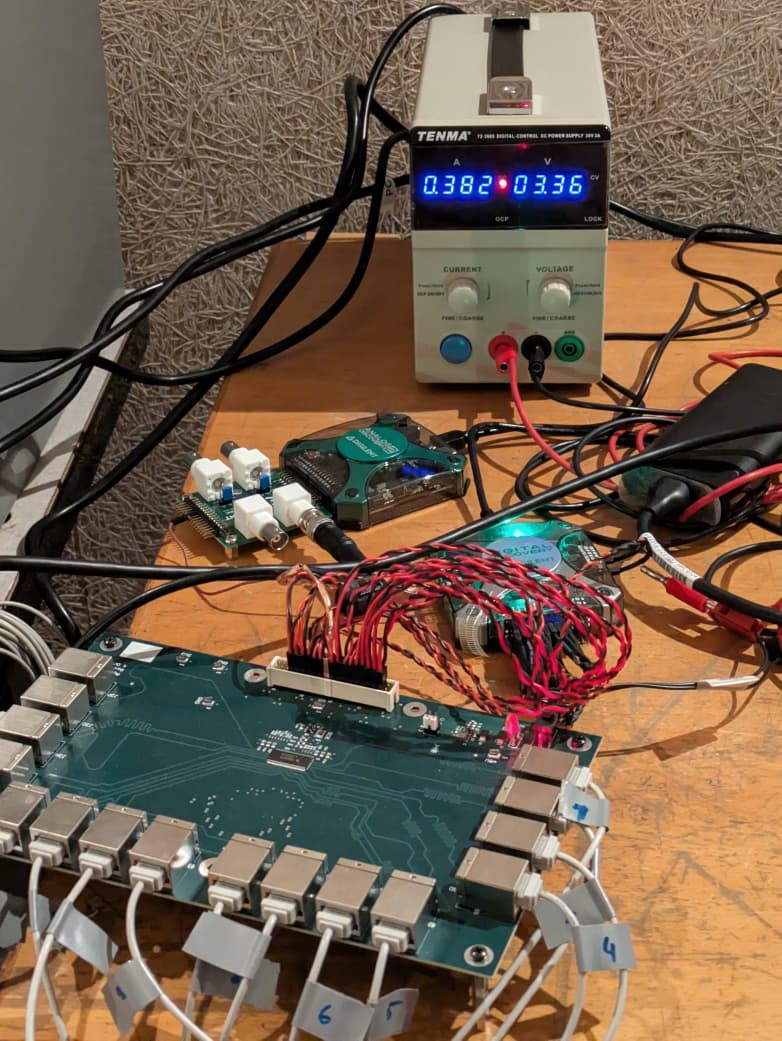
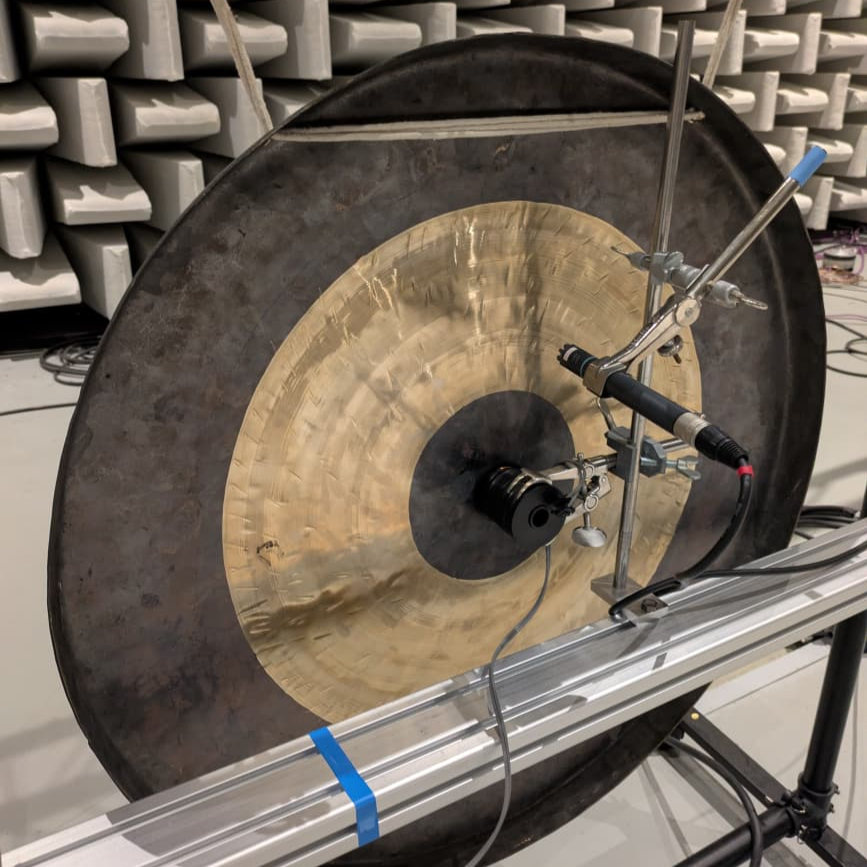
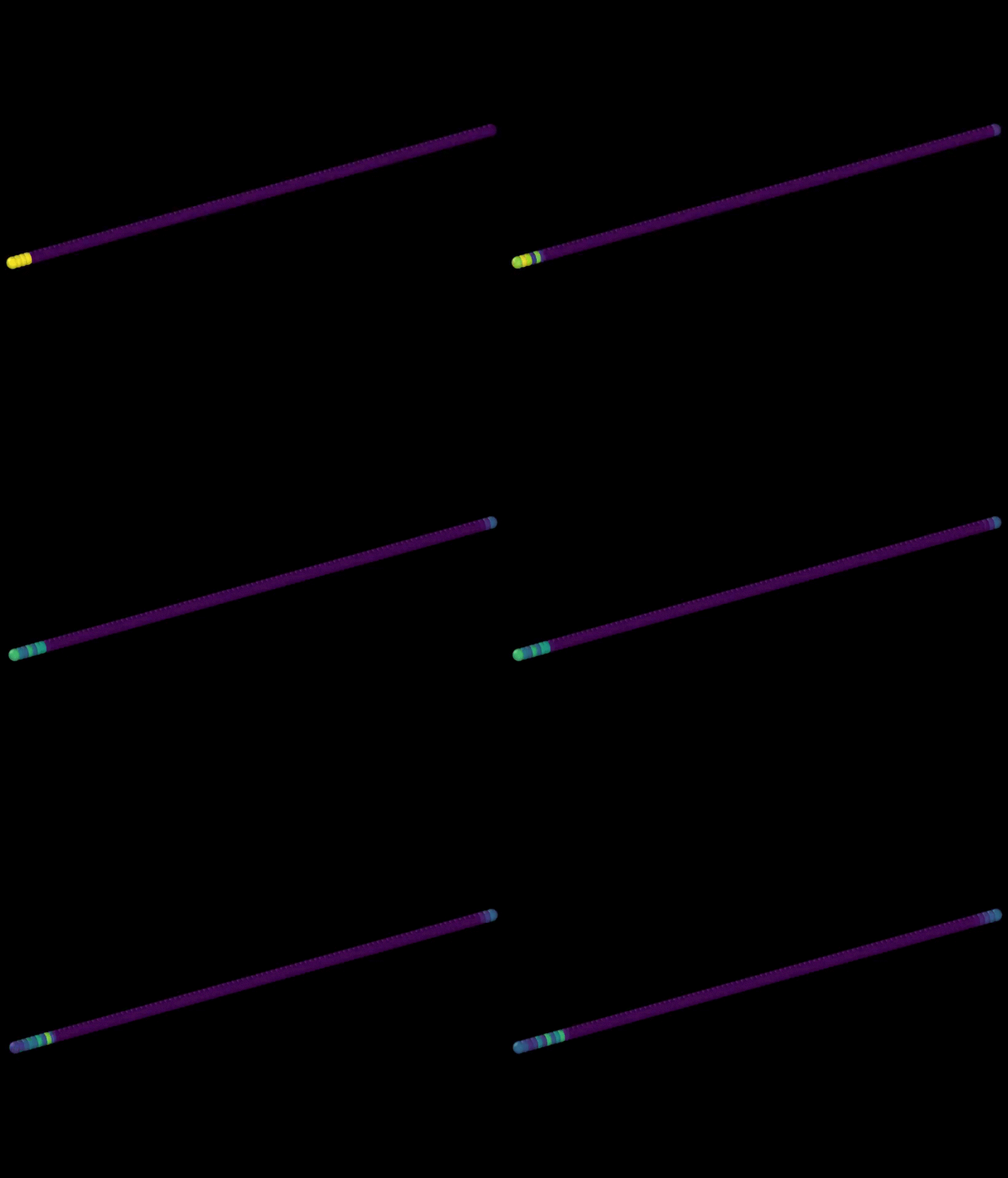
The most experimentally dense semester. A three-month internship at LMA studied wave propagation in granular metamaterials (Hertzian contact through to Pochhammer–Chree rod dynamics), which became a published paper. In parallel: object-detection experiments with a curved MEMS microphone array in the acoustic lab, anechoic-chamber testing, a nonlinear-vibration study of a gong/cymbal via laser Doppler vibrometry, and three final-semester labs passive acoustic imaging from ambient noise, near-field array beamforming, and full-waveform inversion (FWI) using the adjoint-state method.
Acoustic Black Hole, Granular Metamaterials & FDTD
The thesis project detailed at the top of this page, alongside a parallel investigation into acoustic black hole structures — tapered plate terminations that trap and dissipate structure-borne vibration without reflecting it, and an acoustic agglomeration demonstration, where a strong enough sound field drives suspended dust particles to cluster and settle out.
The thesis project detailed at the top of this page, alongside a parallel investigation into acoustic black hole structures — tapered plate terminations that trap and dissipate structure-borne vibration without reflecting it, and an acoustic agglomeration demonstration, where a strong enough sound field drives suspended dust particles to cluster and settle out.
My Home Laboratory
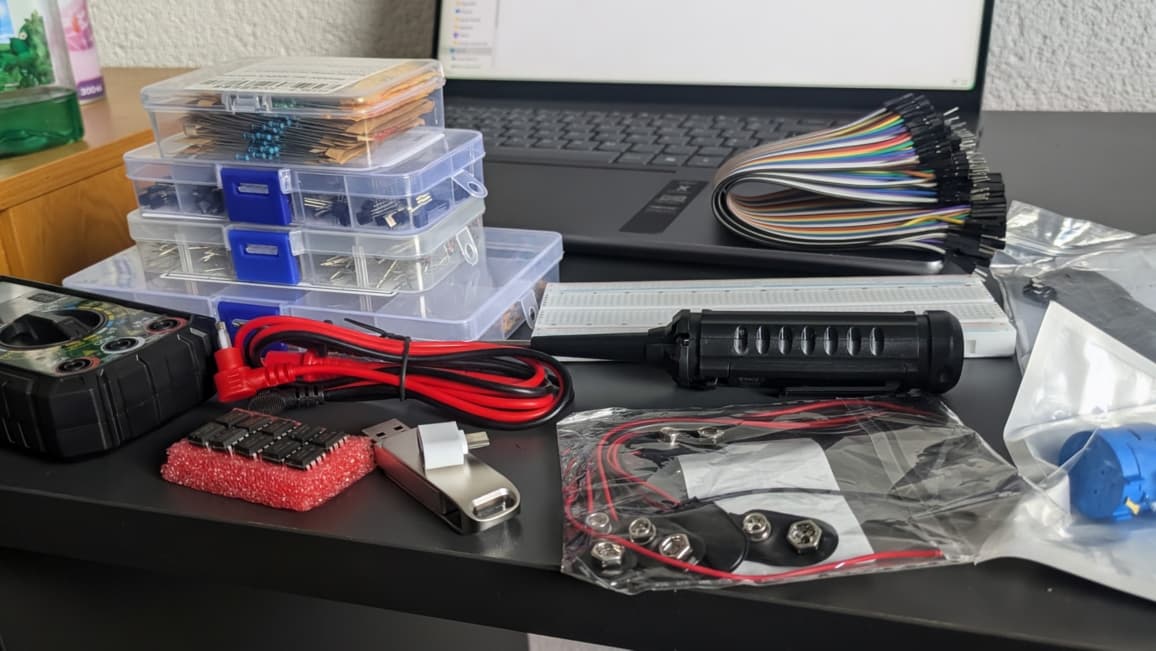
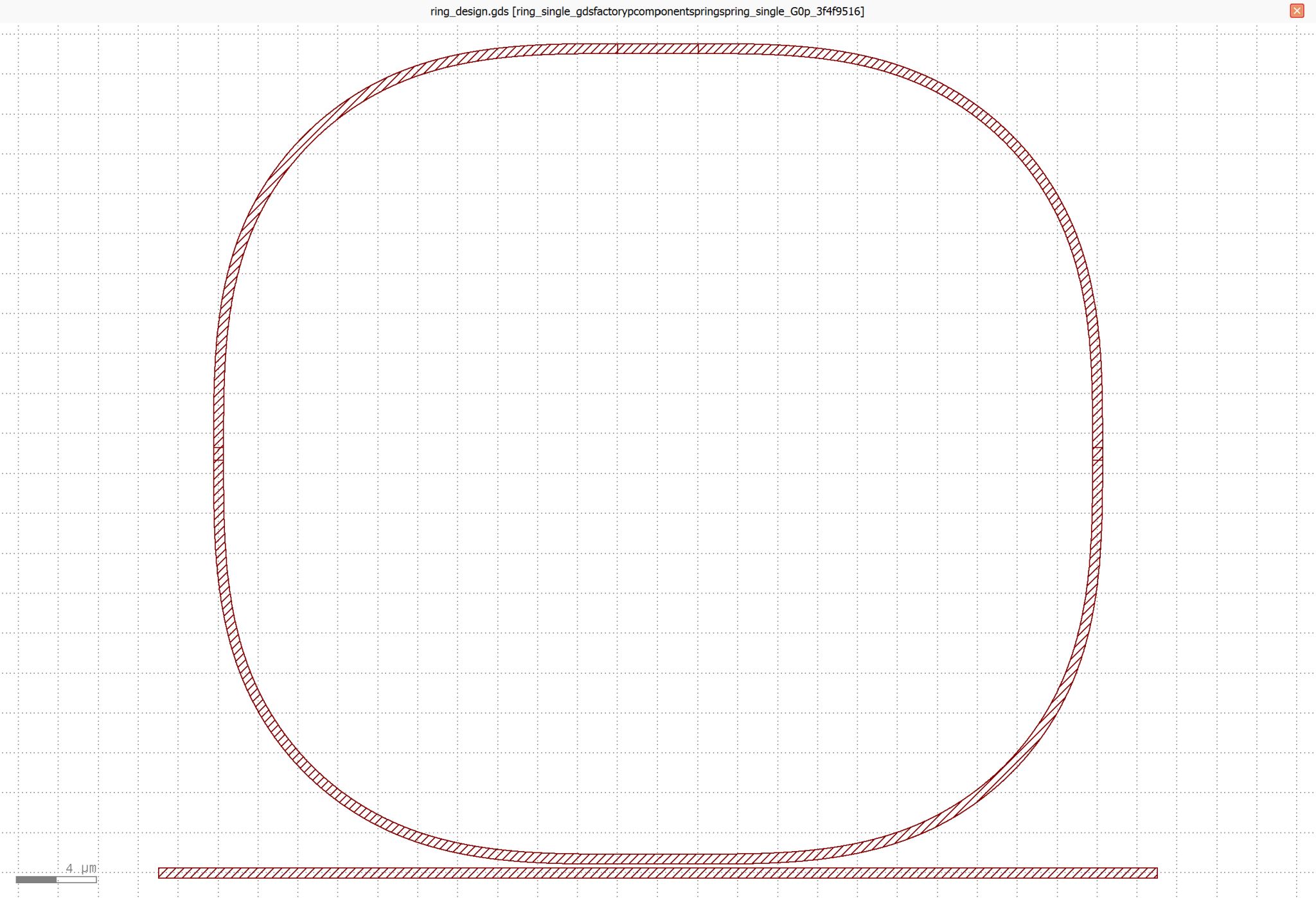
Two side projects I keep running independently of any lab placement. One grew out of the Zener-diode noise generator built during the Valencia semester: sourcing and bundling my own capacitors, building a −20 °C salt-and-ice bath to push the setup further, and characterizing the circuit with a small voltage-mapping device — the current goal is generating quantum noise in Audacity, and it's still in progress. The other is a from-scratch silicon-photonics workflow: automating ring-resonator design in GDSFactory and viewing/verifying the masks in KLayout.
Publications
Full list mirrors my Google Scholar and ResearchGate profiles.
2026
Unraveling Chaotic Dynamics in Variable-Order Fractional Systems: A Comparative Numerical Study of LC, CF, and ABC Operators
A comparative numerical study of chaotic dynamics under three fractional-derivative operators Liouville–Caputo, Caputo–Fabrizio, and Atangana–Baleanu–Caputo on variable-order fractional systems.
2026
From Hertzian Contact to Pochhammer–Chree Dynamics: Solitons, Chaos, and Bifurcation in Granular Metamaterials
Grew out of the 3-month LMA internship: wave propagation in granular chains, from Hertzian-contact solitons through to rod-scale Pochhammer–Chree dynamics, chaos, and bifurcation.
Simulation code on GitHub →2025
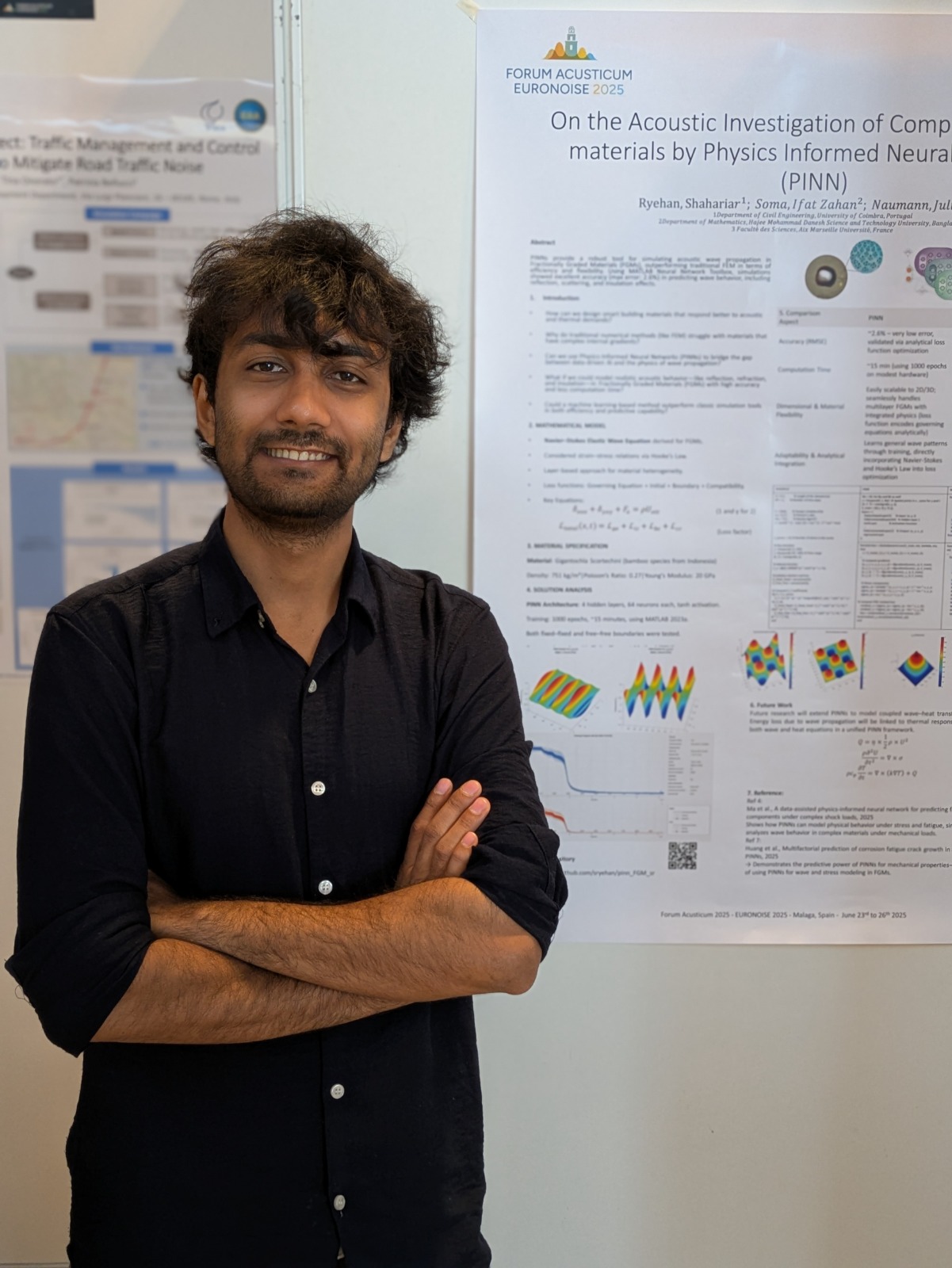
On the Acoustic Investigation of Complex & Fractionally Graded Materials by Physics-Informed Neural Networks (PINN)
A PINN trained on the Navier–Stokes elastic wave equation and Hooke's law reproduces FEM-accurate acoustic wave behavior in fractionally graded materials 2.6% RMSE against analytical solutions, in ~15 minutes versus hours for traditional FEM sweeps.
2023
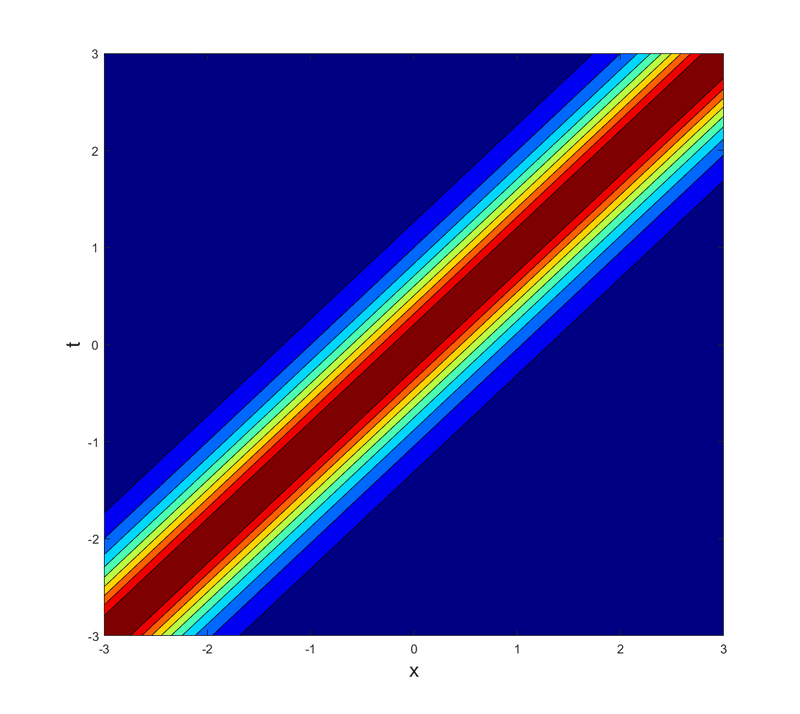
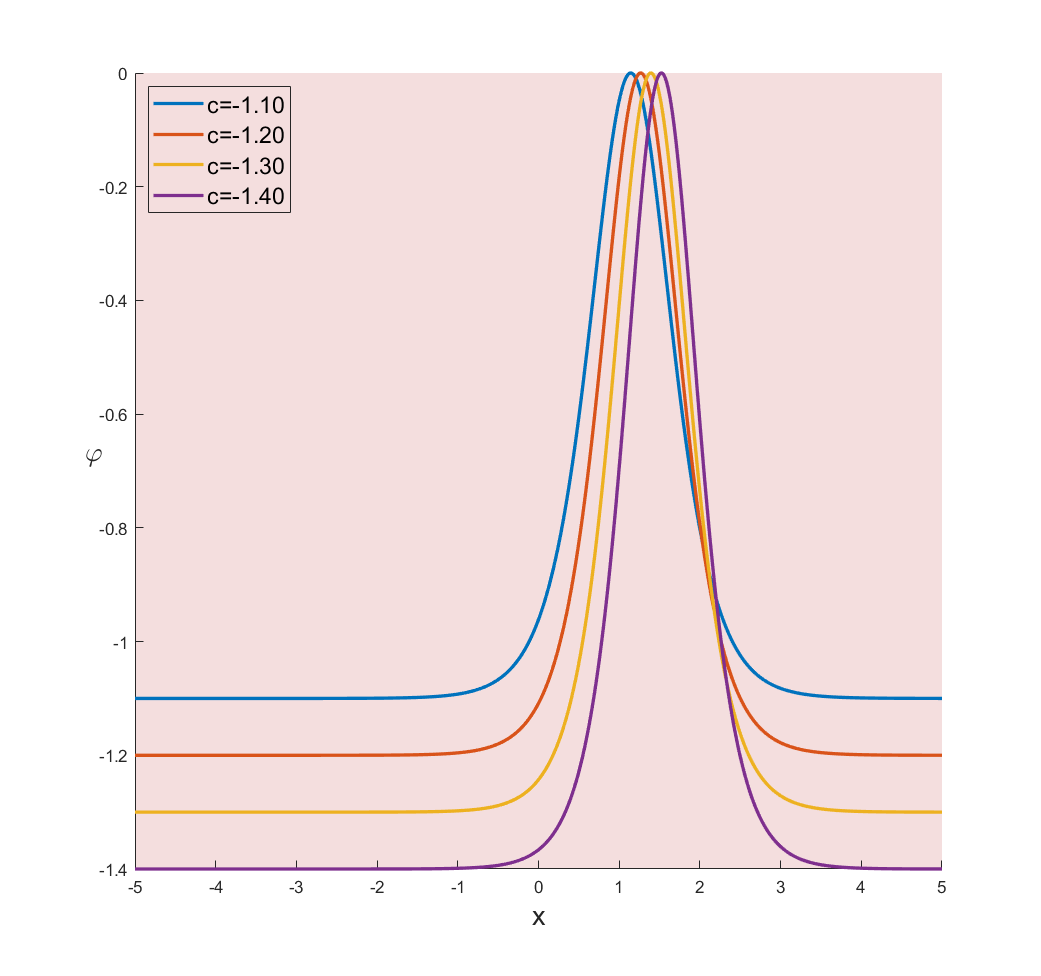
A Variety of Solitons on the Oceans Exposed by the Kadomtsev–Petviashvili-Modified Equal Width Equation Adopting Different Techniques
2023
The Effect of Brownian Motion and Noise Strength on Solutions of Stochastic Bogoyavlenskii Model Alongside Conformable Fractional Derivative
2023
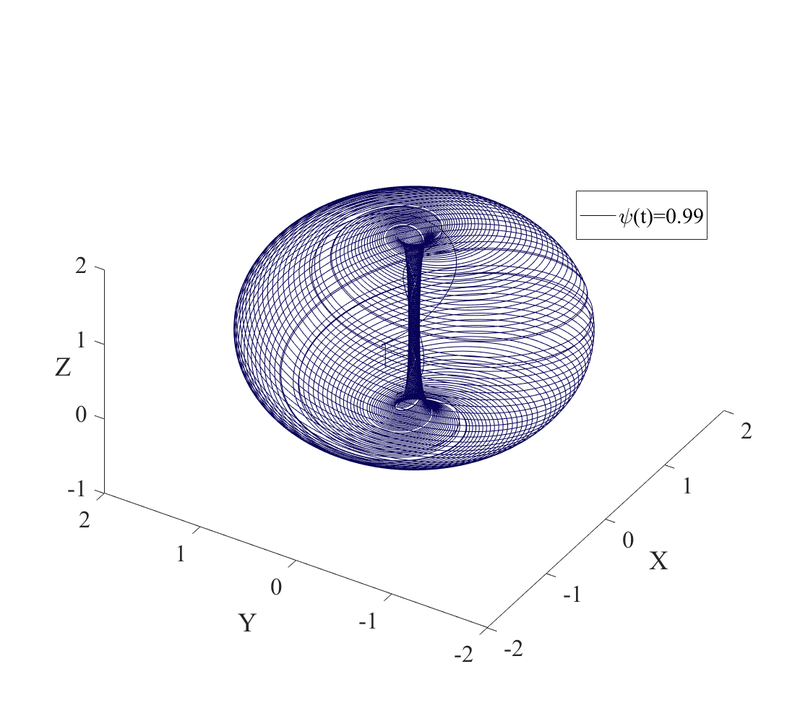
Numerically Unveiling Hidden Chaotic Dynamics in Nonlinear Differential Equations with Riemann–Liouville, Caputo–Fabrizio, and Atangana–Baleanu Fractional Derivatives
2025
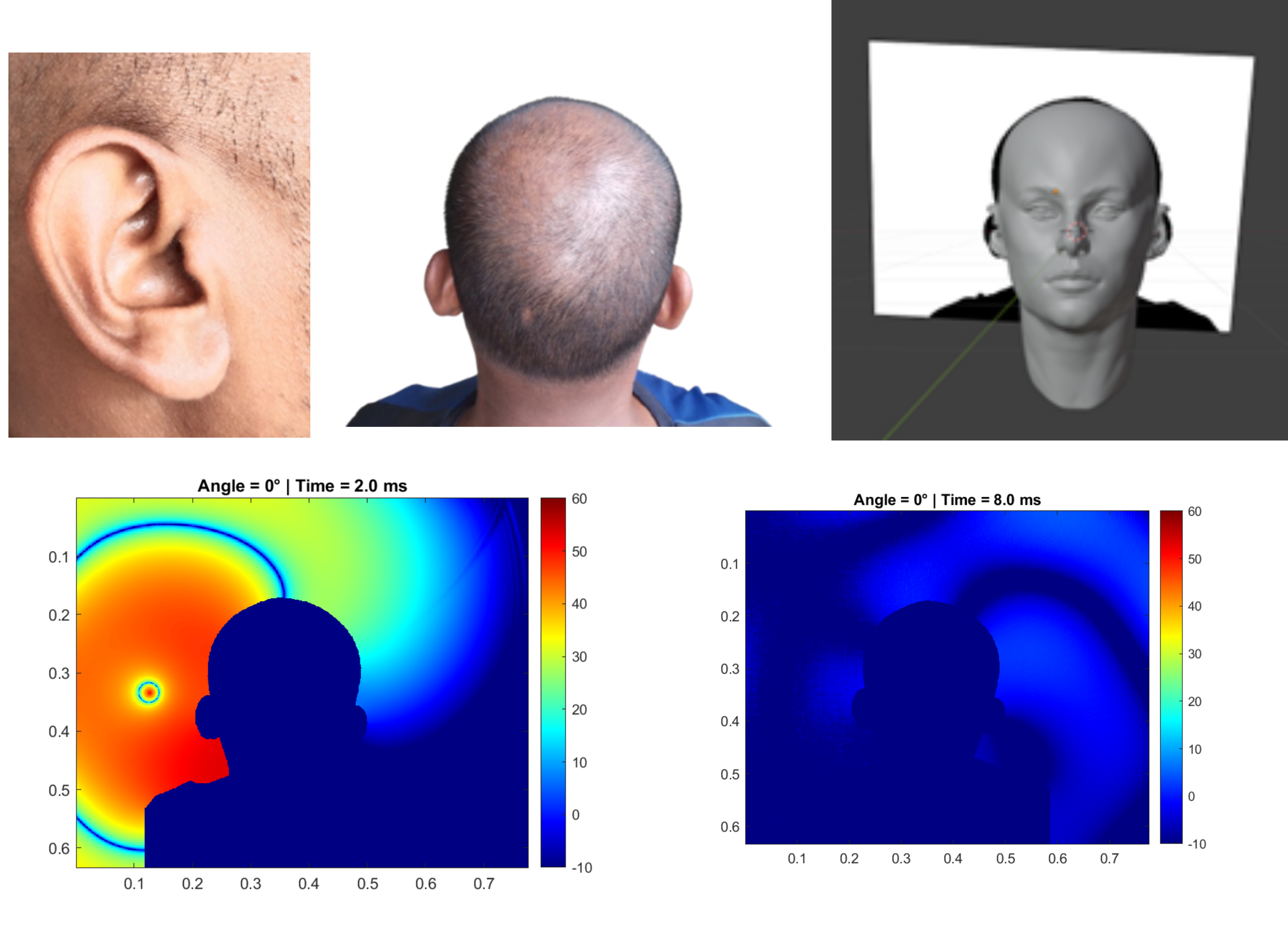
Comparative Analysis of Mathematical HRTF-based Hearing Localization According to the Physical Structure of the Head of Asian and European Listeners
Uses FDTD acoustic propagation over voxel-based 3D head geometries to compare Head-Related Transfer Functions (HRTF) between Asian (Bangladeshi) and European anthropometric head structures, modeling binaural cues (ITD, ILD) for personalized spatial-audio applications. I contributed to the FDTD acoustic-propagation modeling.
2025
Estimating Health Risks Due to Acoustic Signals: A Case Study of a Multi-Story Building Using a Microphone Array
Microphone-array acoustic monitoring of a multi-story building, translated into building-scale health-risk estimates.
2025
Numerical Simulation of Vehicle Noise Propagation around Large-Scale Urban Structures Using FDTD and FEM Methods
FDTD and FEM simulations of traffic-noise propagation around large urban structures.
2021
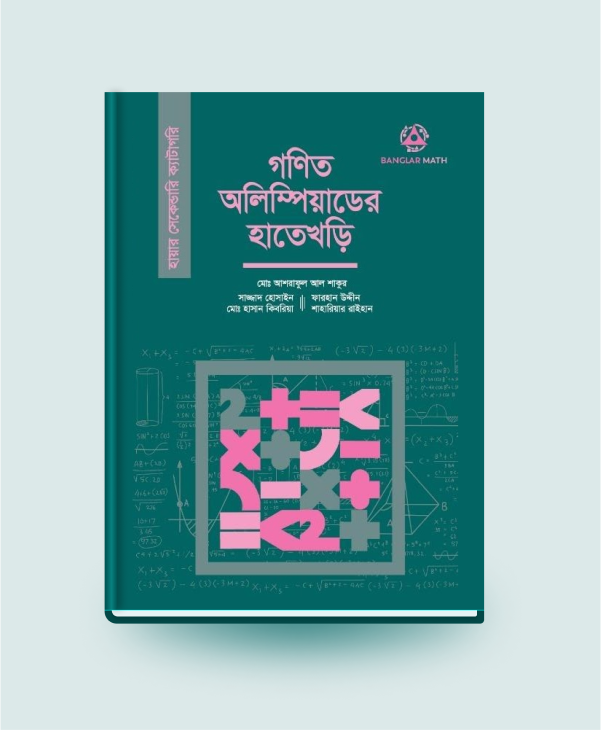
Mathematical Olympiad Handbook (Bangla)
Olympiad-preparation book for A-level students in Bengali, covering combinatorics, algebra, geometry, and number theory.
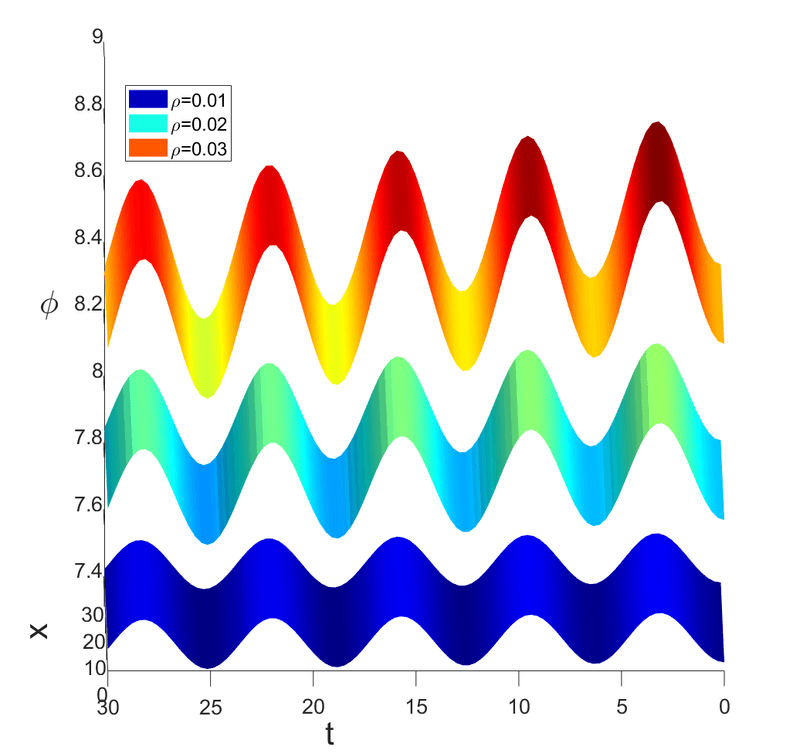
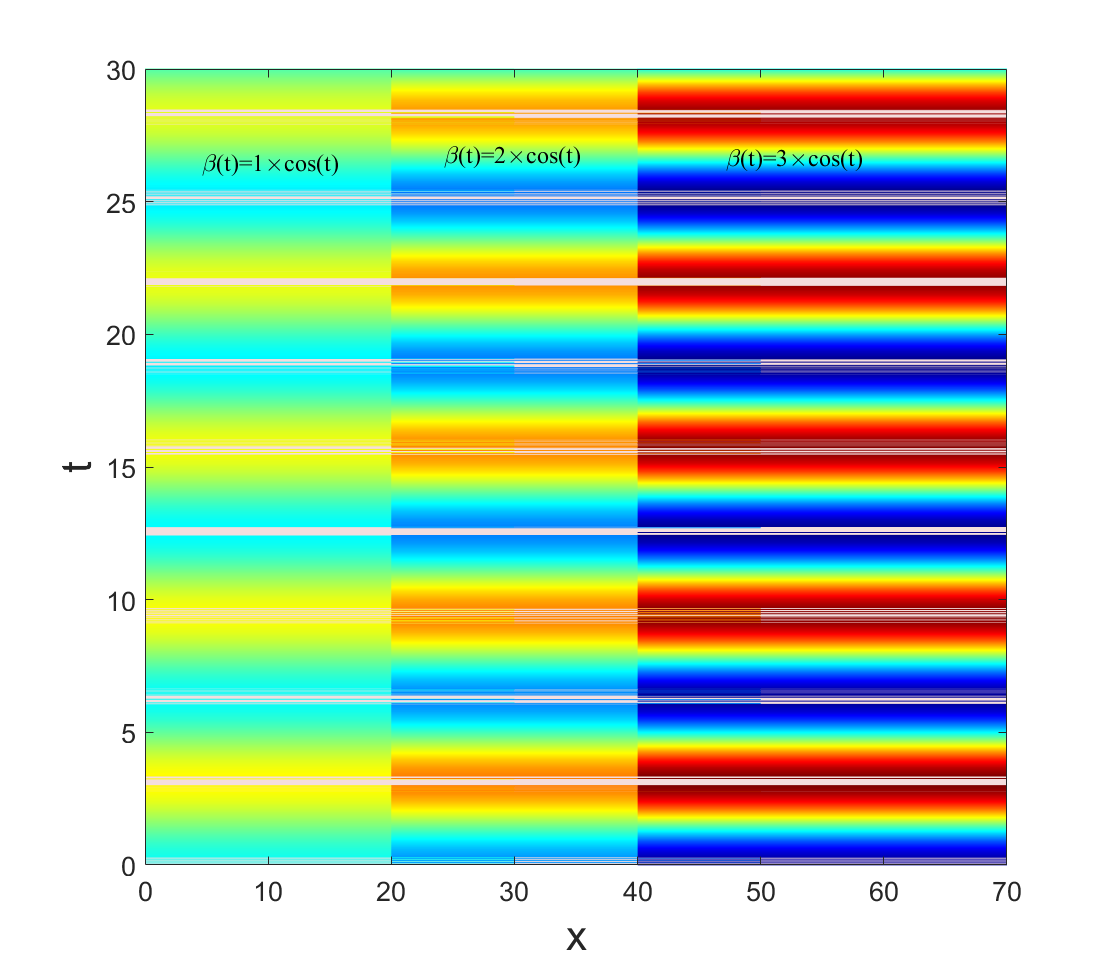
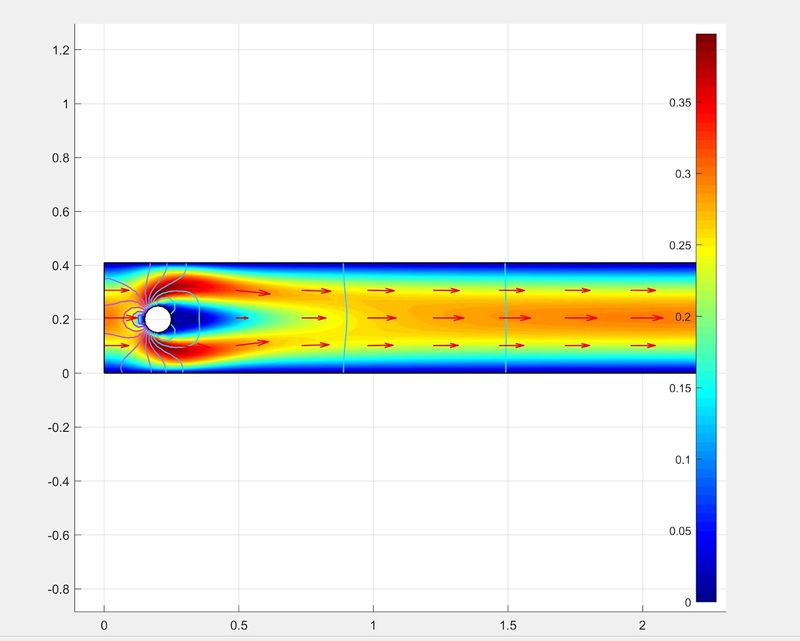
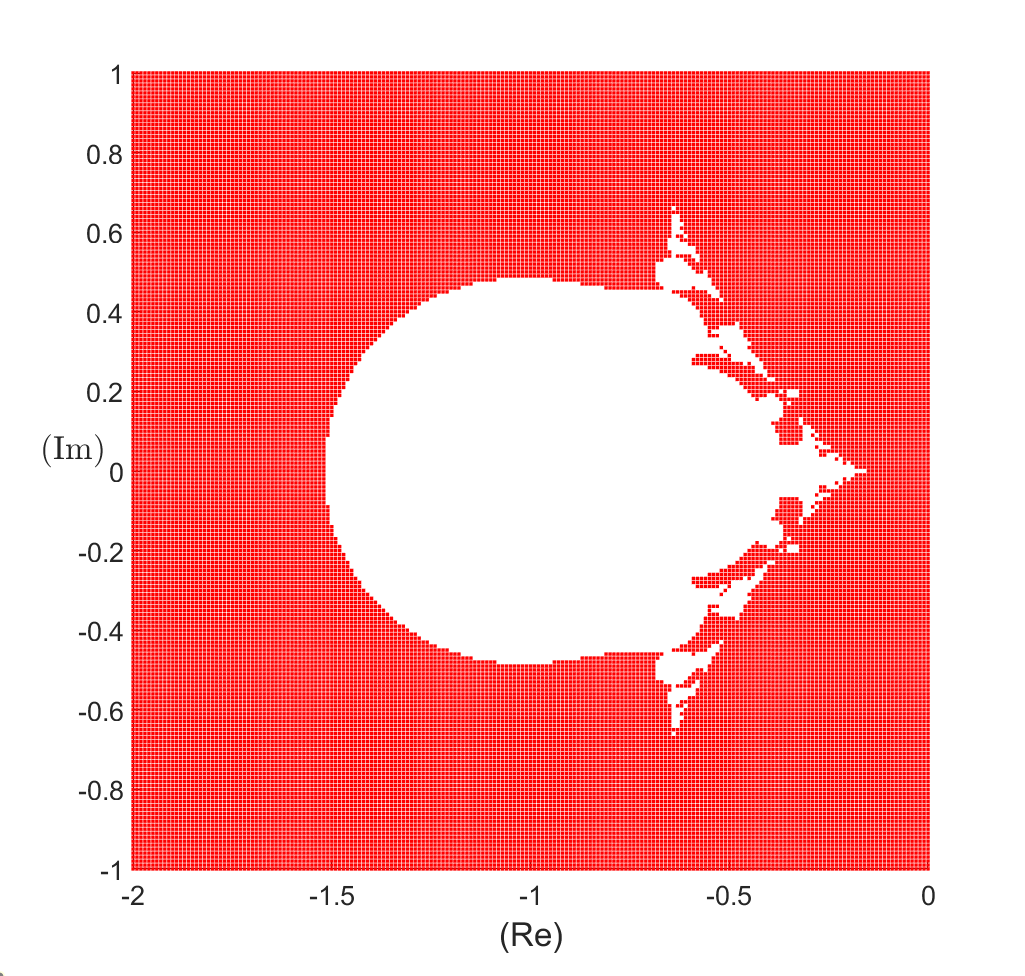
Numerical & mathematical visualization
Surface, contour, and phase-space plots generated while exploring the soliton and chaotic-dynamics solutions above.
Interested in collaborating?
Whether it's photoacoustic sensing, MEMS transducers, or nonlinear wave equations I'm always happy to talk about the work.
sryehan@student.uc.pt