WAVES — Waves, Acoustics, Vibrations, Engineering and Sound
A fully-funded, two-year Erasmus Mundus scholarship (4 semesters, 30 ECTS each) taking me across three universities and three countries — coursework spanning building & room acoustics, musical acoustics and psychoacoustics, ultrasounds and underwater acoustics, aeroacoustics and vibroacoustics, acoustic metamaterials, nonlinear systems, and acoustic imaging — and culminating in a thesis placement at Hahn‑Schickard in Germany. Full curriculum below, or see the official WAVES program page.
Three universities, one program
Every semester is validated at 30 ECTS across five official subject groups: Fundamentals of Acoustics, Methods for Acoustical Engineering, Applications of Acoustics, Advanced Topics on Acoustics, and Additional Key Competencies. Full course-by-course breakdown for each semester is below.
University of Coimbra
Building & room acoustics, computational modeling, instrumentation, and sound insulation / noise control — the foundational semester.

Universitat Politècnica de València
Musical acoustics, psychoacoustics, ultrasounds, underwater acoustics, DSP/audio synthesis, programmable instrumentation, and room & sound-system design.
Aix‑Marseille Université & École Centrale Méditerranée
Environmental & acoustic imaging, aeroacoustics/vibroacoustics, waves in continuum media, acoustic metamaterials, and nonlinear systems — plus the LMA internship.
University of Coimbra
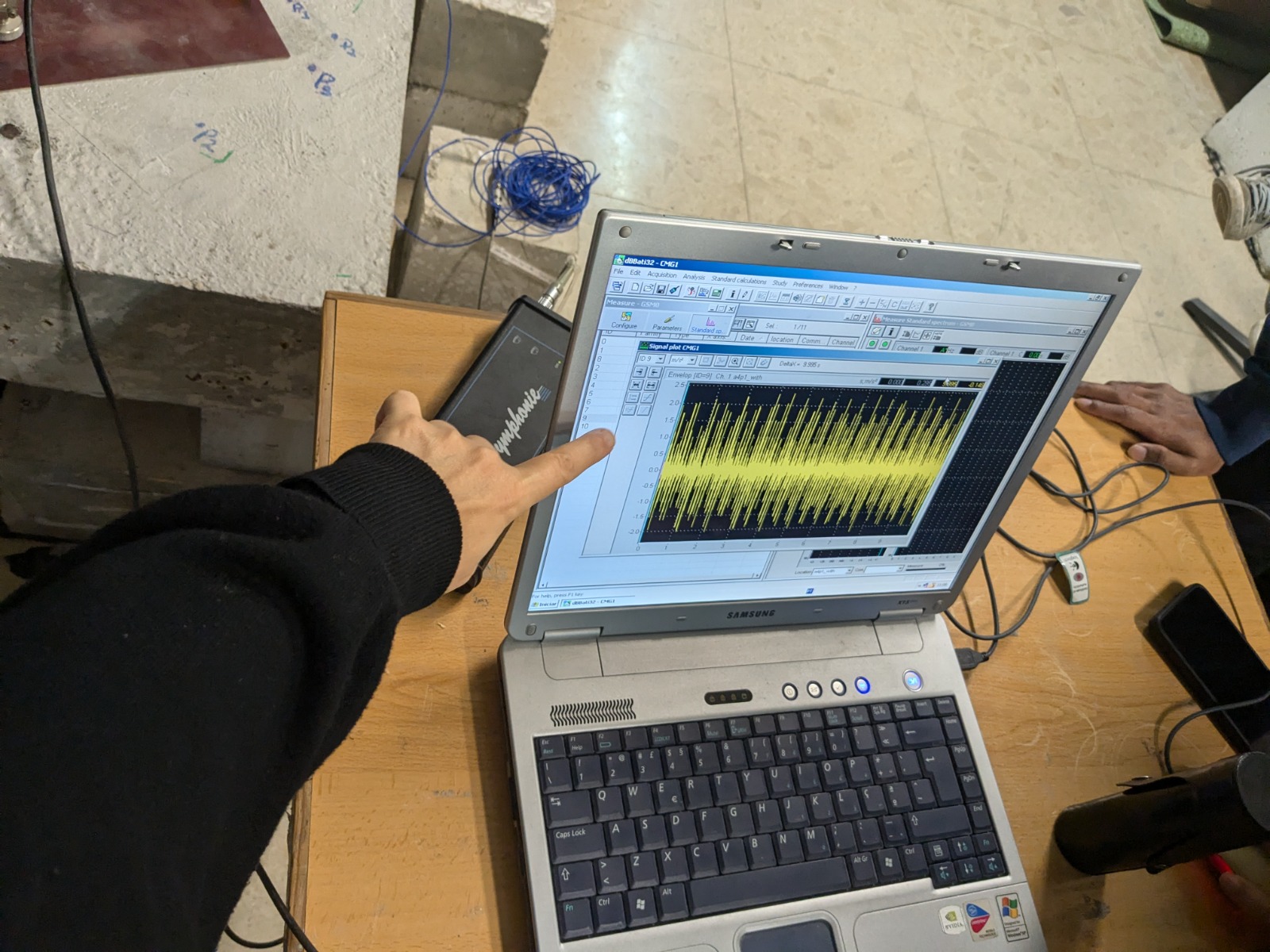
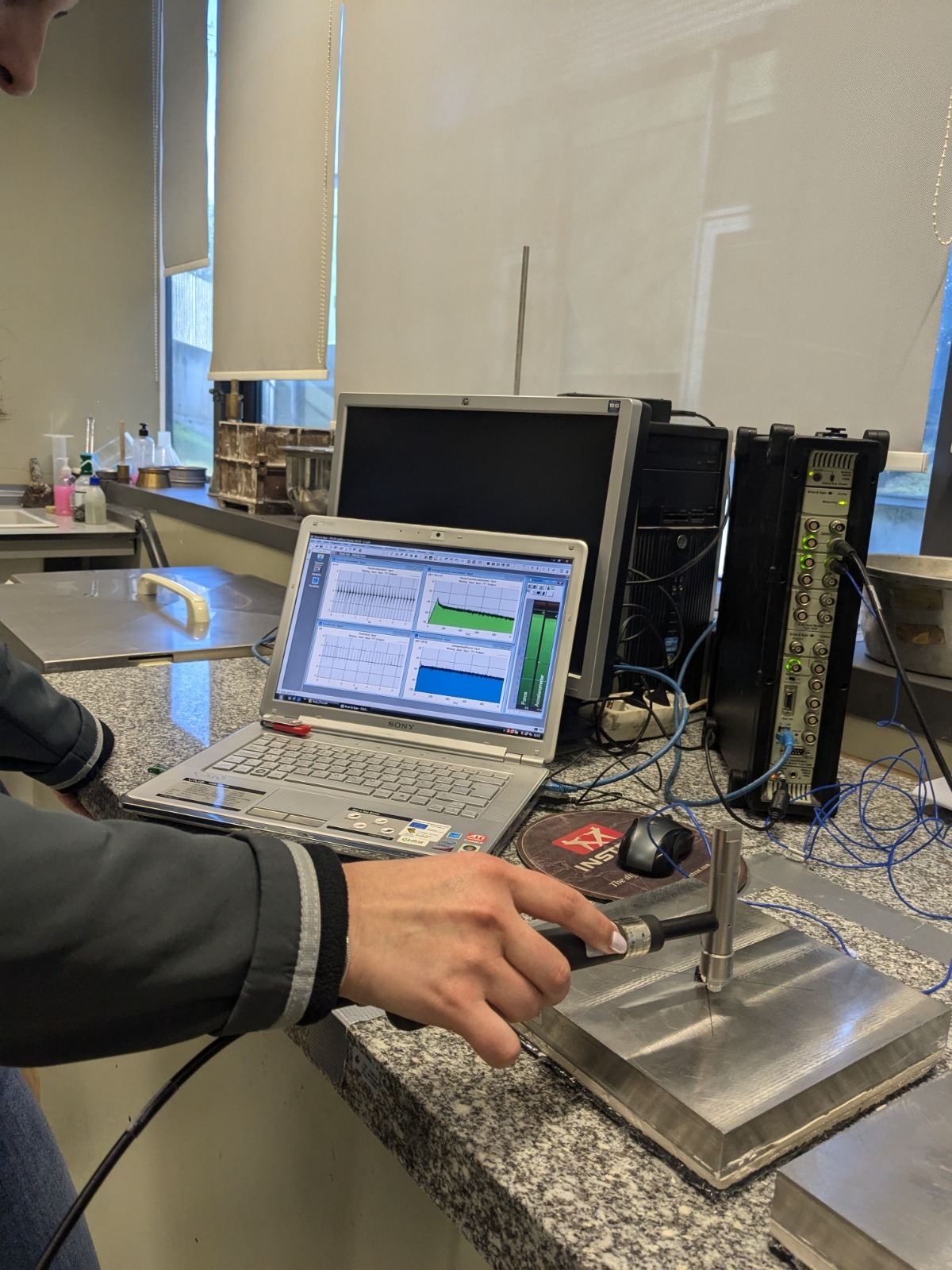
The foundational semester: building acoustics and vibration fundamentals, computational-modeling and measurement methods, and applied rehabilitation/insulation coursework, capped by an advanced module on noise and vibration control.
Fundamentals of Acoustics (6 ECTS)
- Acoustics and Vibrations in Buildings and Their Envelopes (6) — building physics, sound propagation principles, material behavior, building-acoustics legislation, testing methodologies.
Methods for Acoustical Engineering (7.5 ECTS)
- Computational Modelling (3) — numerical methods for acoustic phenomena, computational tools, transient and permanent regimes.
- Instrumentation and Acoustic & Vibration Measurements (4.5) — measurement equipment, normative aspects, in-situ and laboratory testing procedures.
Applications of Acoustics (12 ECTS)
- Strategies for Acoustic and Thermal Rehabilitation (6) — building rehabilitation, facade/wall/roof/floor interventions, thermal–acoustic performance interaction.
- Sustainable Constructions and Materials (6) — sustainable-development principles, technical decision-making for construction and rehabilitation.
Advanced Topics on Acoustics (4.5 ECTS)
- Advanced Strategies for Sound Insulation and Noise/Vibration Control (4.5) — prediction tools, experimental approaches, design solutions for building acoustics and product development.
Universitat Politècnica de València
The broadest and most electronics-heavy semester — five parallel fundamentals courses covering musical acoustics through underwater acoustics, plus applied instrumentation, simulation methods, room acoustics, and sound-system design.
Fundamentals of Acoustics (10 ECTS)
- Musical Acoustics (2) — physical models of musical instruments, acoustic features of instrument families.
- Psychoacoustics (2) — human sound perception, perceptive testing methodologies.
- Synthesis and Audio Processing (2) — digital signal processing for audio generation and manipulation.
- Ultrasounds (2) — ultrasound generation & propagation, equipment design for non-destructive testing, medical/industrial applications.
- Underwater Acoustics (2) — underwater communication, transducers, hydrophones, sonar systems, bathymetry.
Methods for Acoustical Engineering (7 ECTS)
- Computer Assisted Design Applied to Acoustic Engineering (3) — 2D/3D graphic representation, acoustic-space simulation.
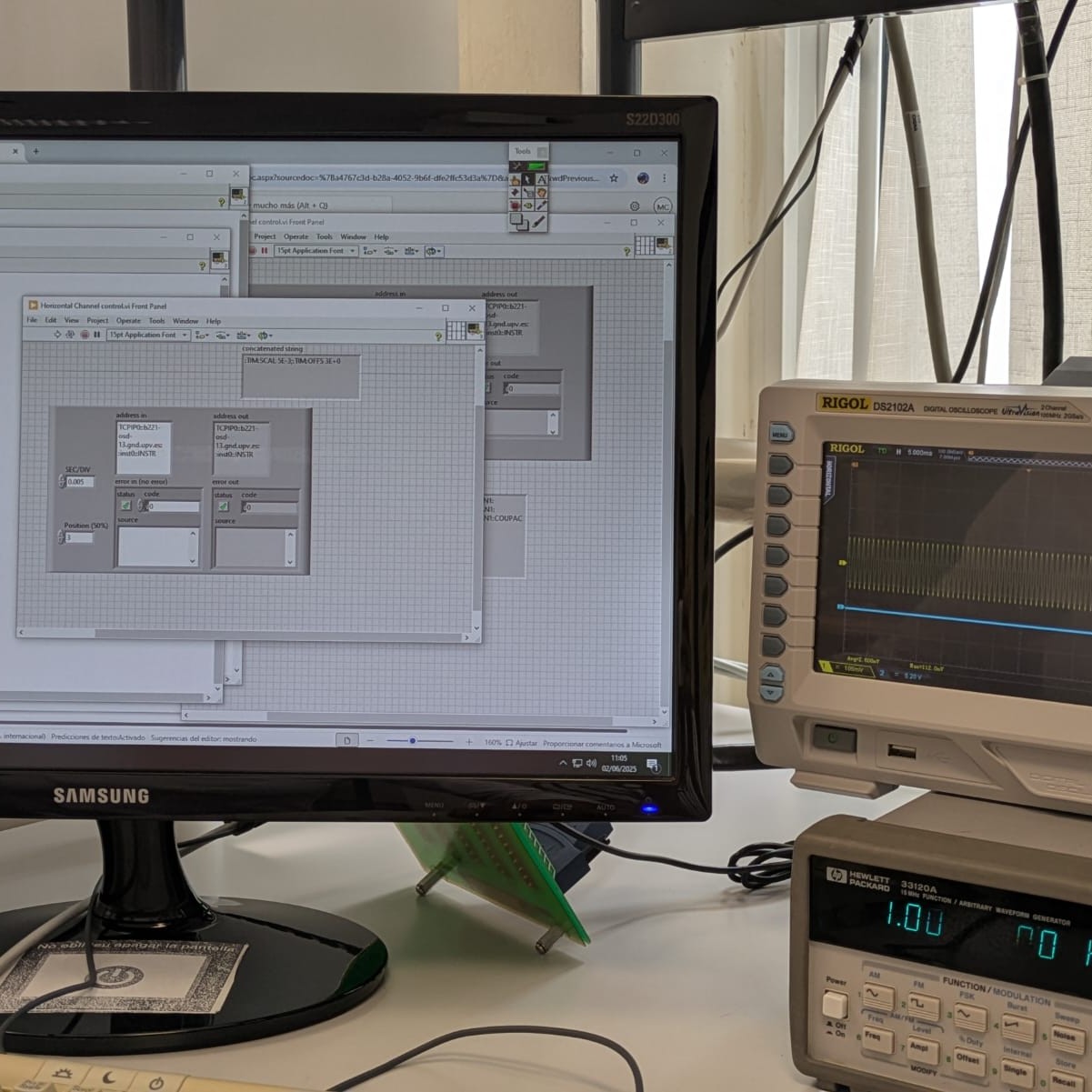
- Programmable Instrumentation (2) — data-acquisition systems, instrumentation management.
- Simulation Methods in Acoustics (2) — Finite Element Method, Finite-Difference Time-Domain, convergence/stability/boundary conditions.
Applications of Acoustics (6 ECTS)
- Room Acoustics (3) — concert-hall and conference-venue design, acoustic-quality measurement, material/device characterization.
- Sound Systems (3) — centralized/distributed sound-system design, analog/digital transmission, DSP optimization.
Additional Key Competencies (2.5 ECTS)
- Research Seminars (2.5) — invited-researcher lectures introducing current acoustics research.
Aix‑Marseille Université & École Centrale Méditerranée
The advanced-topics semester — environmental and acoustic imaging on the applications side, then the heaviest concentration of specialized coursework in the whole program: aeroacoustics/vibroacoustics, waves in continuum media, acoustic metamaterials, and nonlinear systems.
Applications of Acoustics (12 ECTS)
- Environmental Acoustics (4) — transport noise, noise mapping, active/passive noise reduction, porous absorbers.
- Acoustic Imaging (4) — non-destructive evaluation, damage identification, ultrasonic inspection (industrial/medical), phased-array ultrasonic technology.
Additional Key Competencies (6 ECTS)
- Industry Group Projects (4) — multi-week, industry-focused team projects.
- Professional Project (2) — project-management tools, lifecycle stages, team structure, planning/monitoring/closing frameworks.
Advanced Topics on Acoustics (16 ECTS)
- Aeroacoustics and Vibroacoustics (4) — structure–fluid interaction, sound radiation/transmission, added mass, coincidence frequency, resonance modes.
- Waves in Continuum Media (4) — wave propagation in fluids/solids, scattering, dissipation, anisotropy, nonlinear waves (Specfem, Prospero).
- Metamaterials (4) — subwavelength acoustic media, negative refraction, transformation acoustics, acoustic cloaks, seismic-wave control.
- Nonlinear Systems (4) — phase planes, bifurcations, oscillation regimes, stability, nonlinear modes, chaos.
Master's Thesis
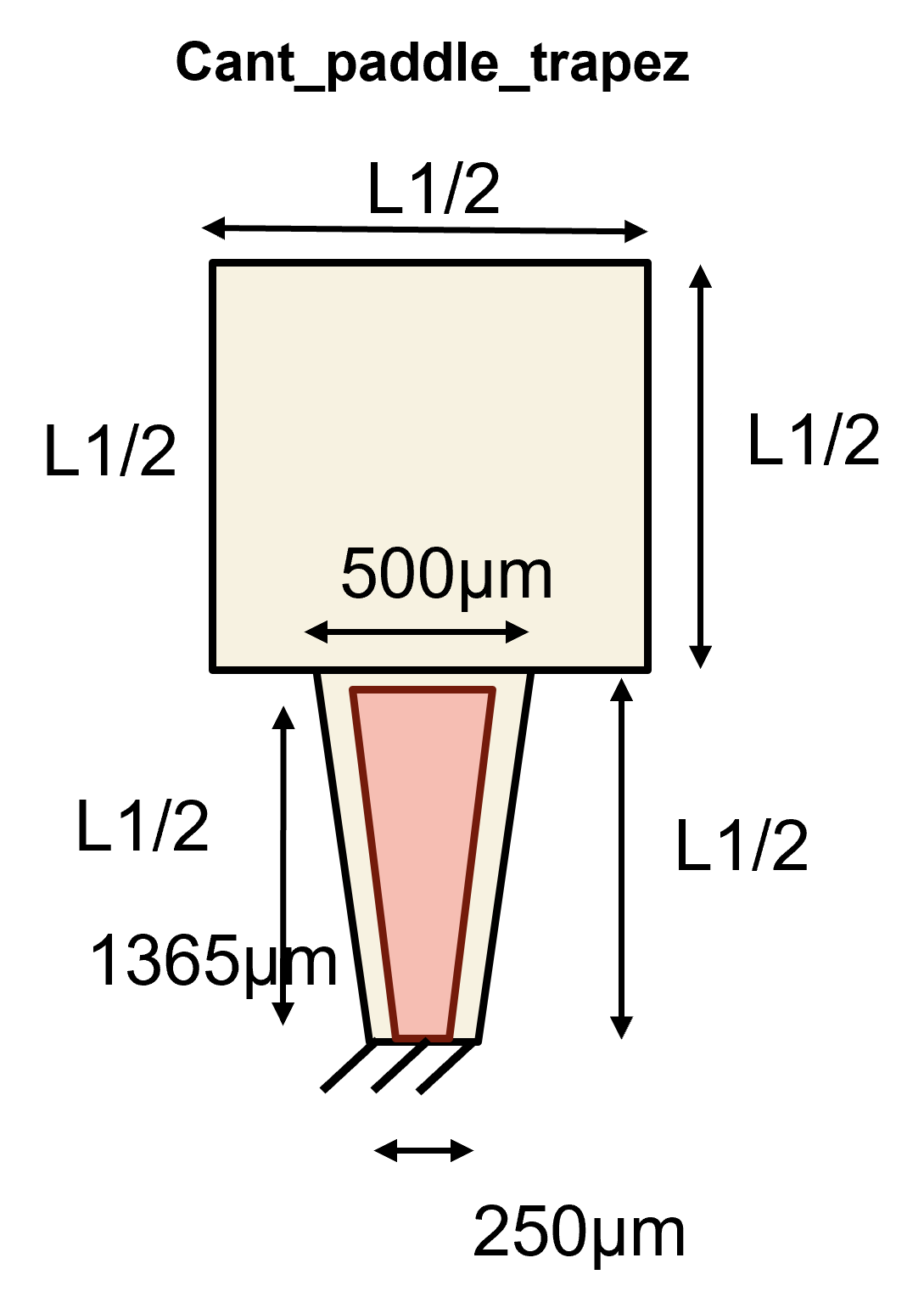
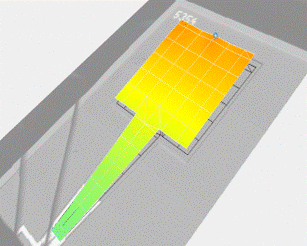
The entire fourth semester is dedicated to a full-time thesis internship. Mine: designing, modeling, and experimentally validating a MEMS-compatible photoacoustic CO₂ sensor — full project detail, geometries, and results on the Research page.
From lecture halls to anechoic chambers
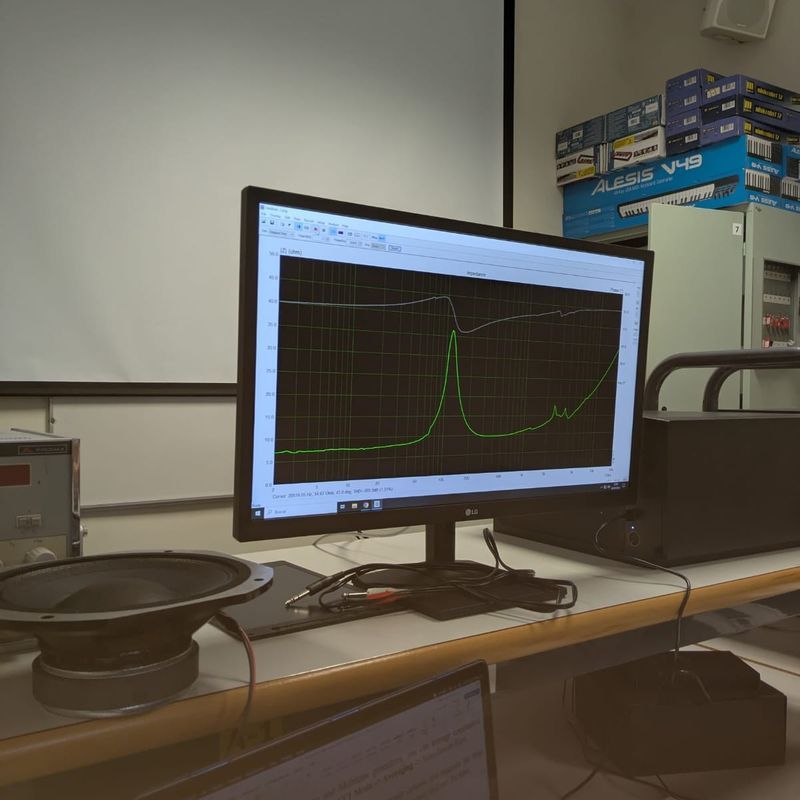
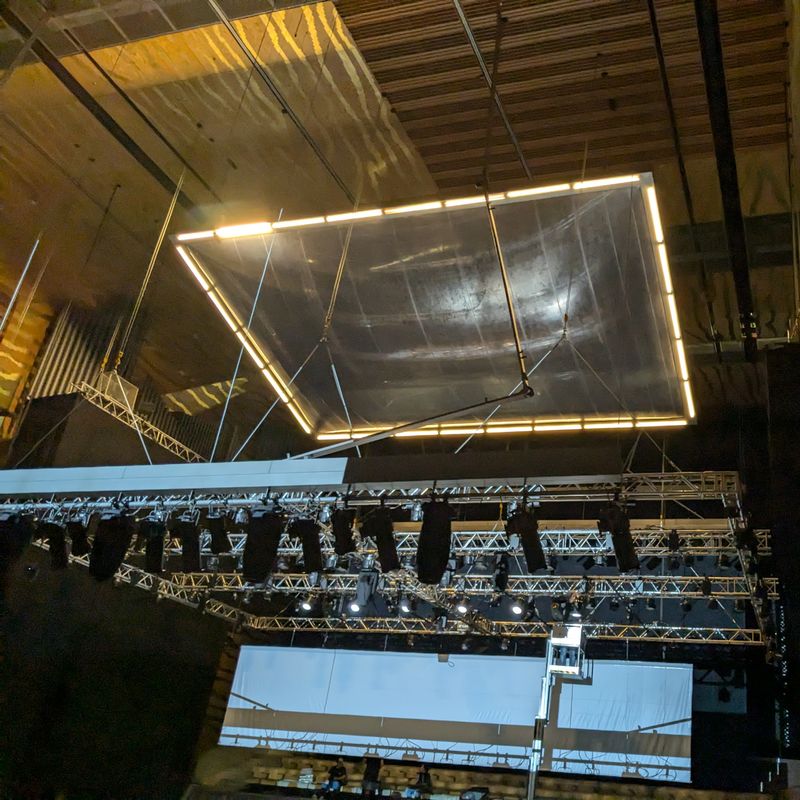
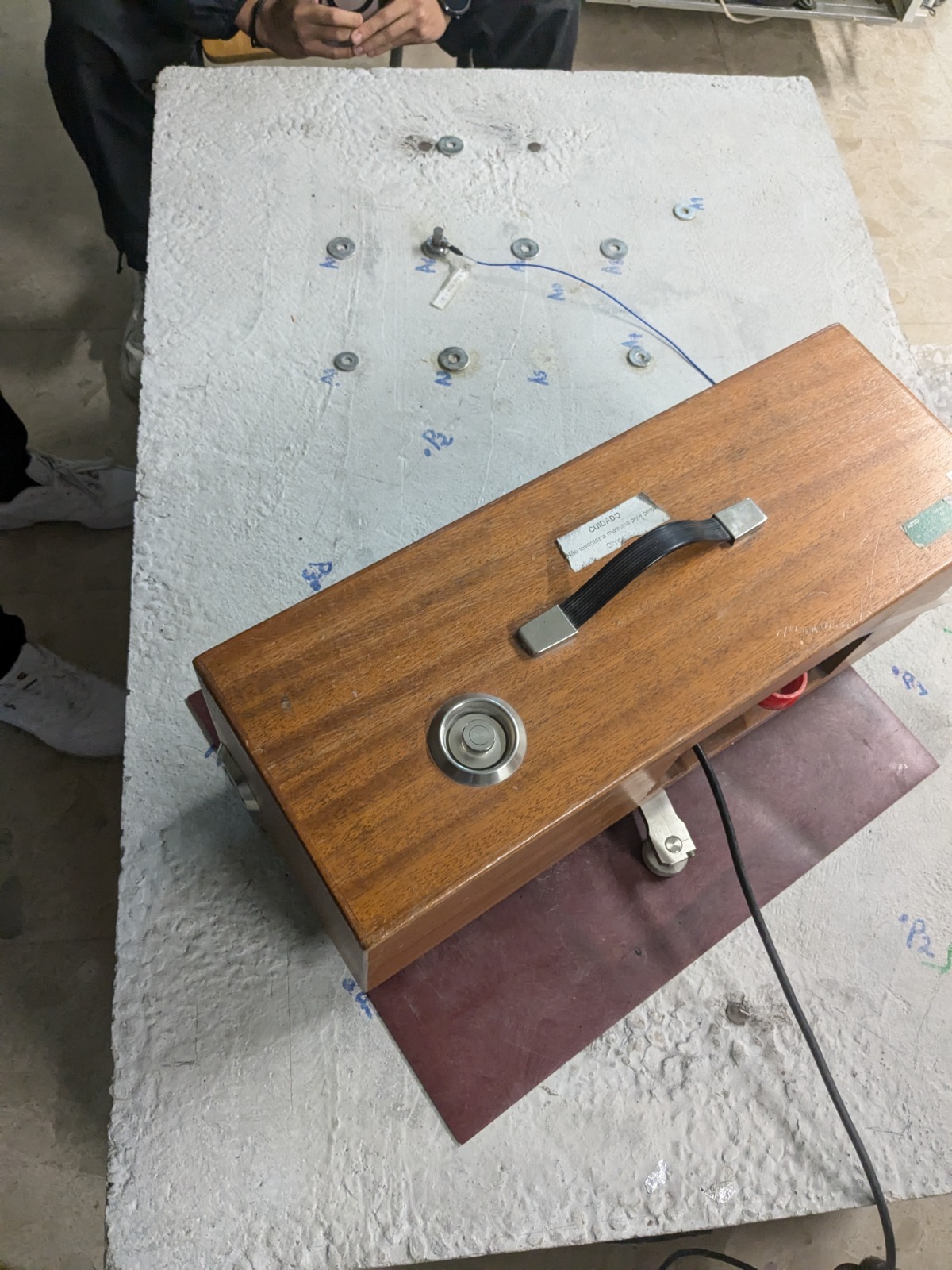
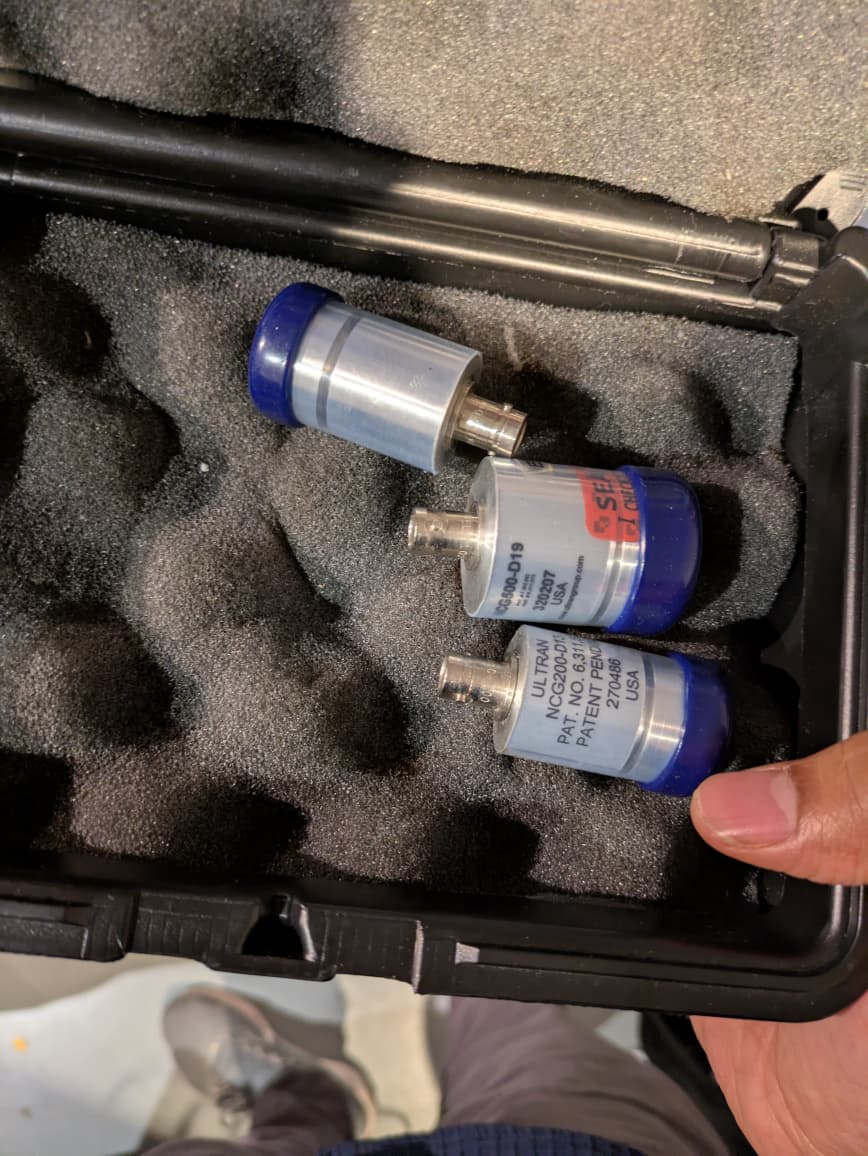
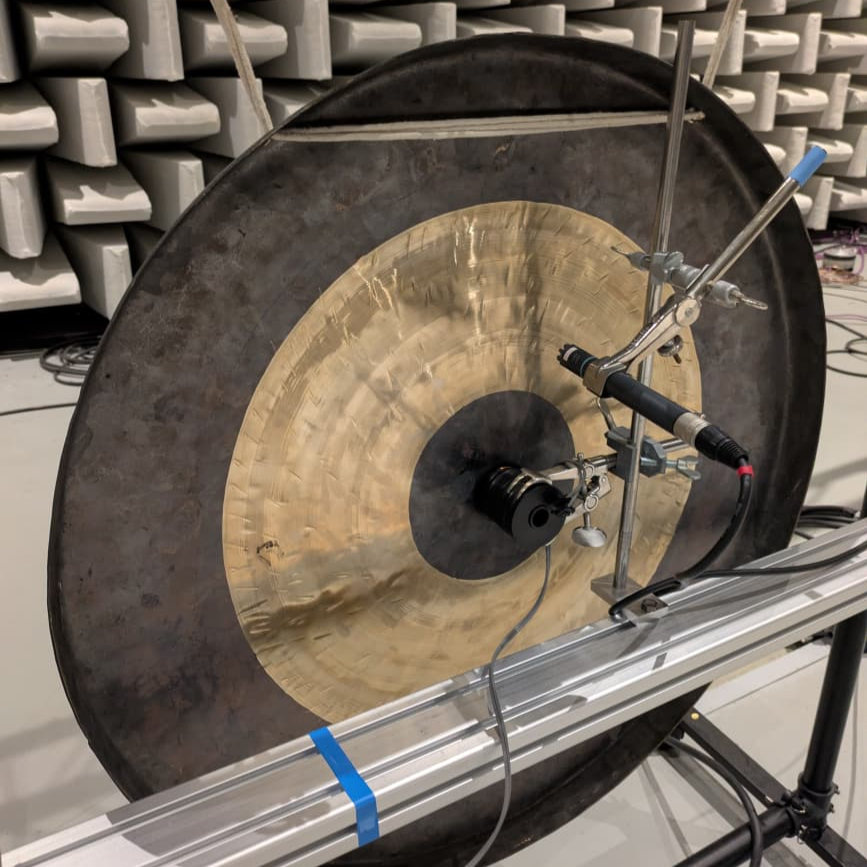
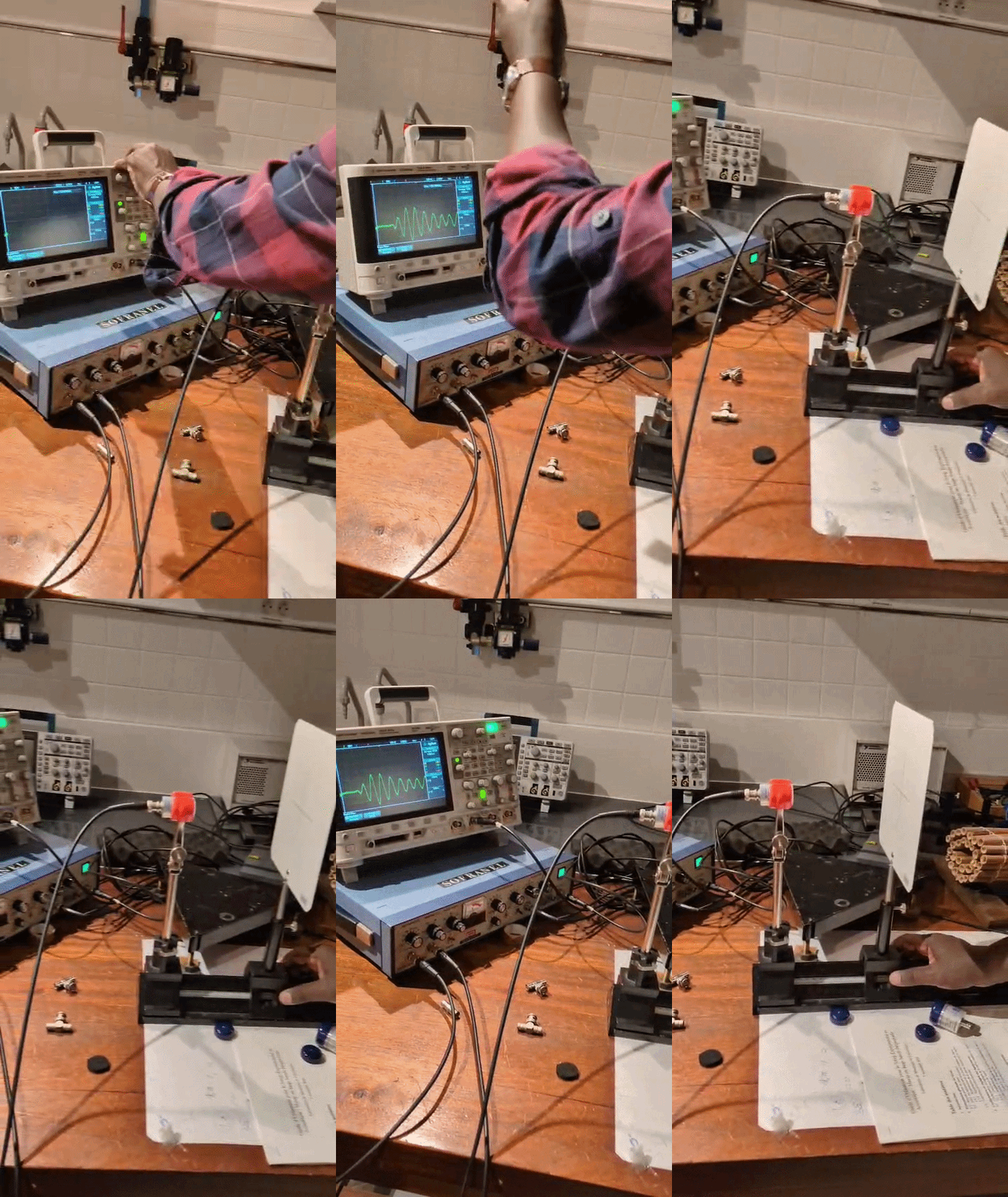
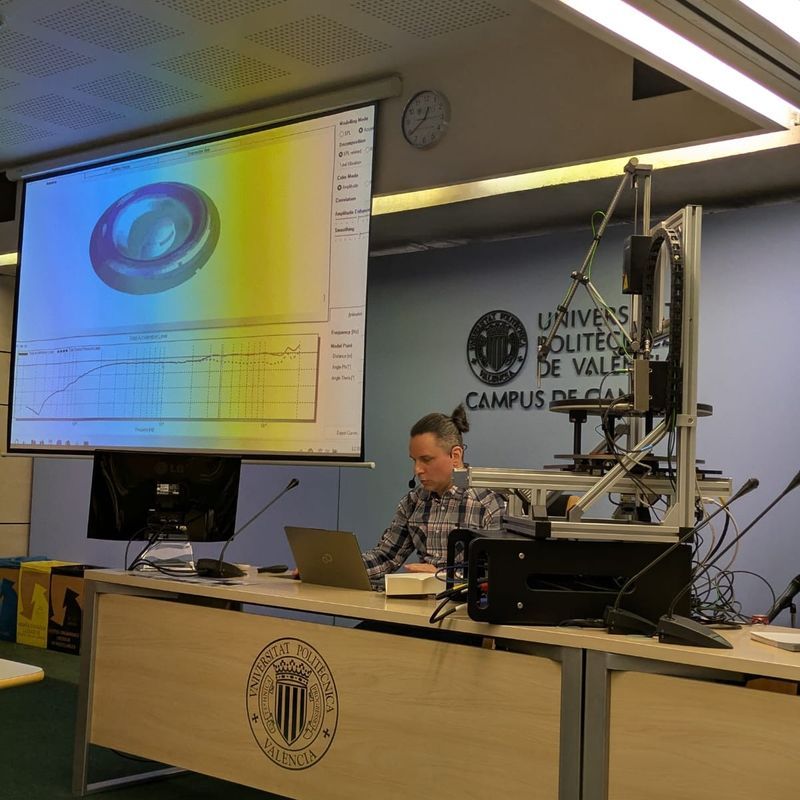
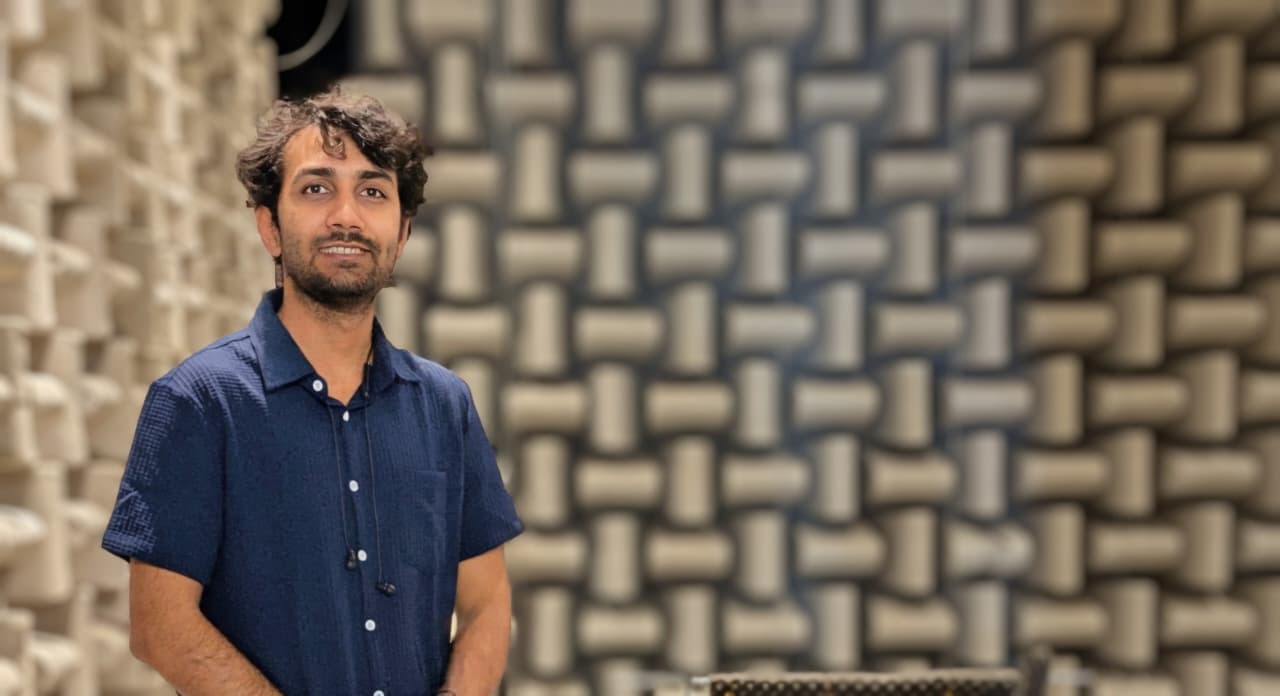
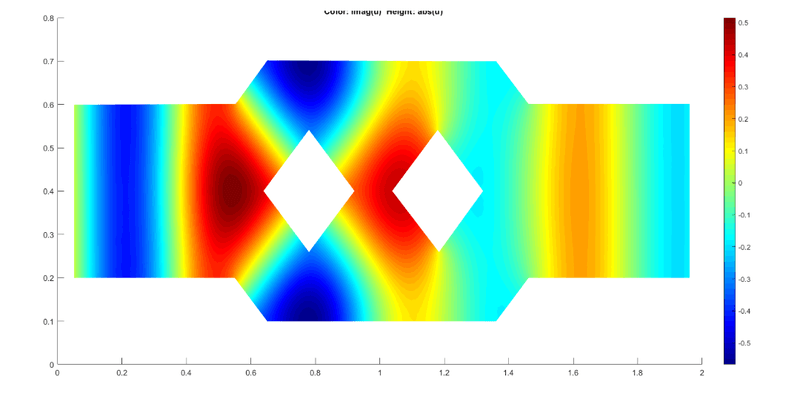
The program mixes classroom theory with genuine hands-on lab time — vibration measurement rigs, anechoic-chamber acoustic testing, and concert-hall-scale sound reinforcement.
Curriculum highlights
The coursework and my own project work overlap most here — nonlinear acoustics, signal processing, and transducer/sensing physics, extending into metamaterials and acoustic imaging.
01 · Nonlinear Acoustics
Nonlinear Systems & Wave Dynamics
Phase planes, bifurcations, and chaos from the Marseille Nonlinear Systems course, applied directly: a gong/cymbal nonlinear-vibration study by laser Doppler vibrometry, and a published paper tracing Hertzian-contact solitons through to Pochhammer–Chree rod dynamics, chaos, and bifurcation in granular metamaterials — itself an extension of my undergraduate work on soliton solutions to nonlinear PDEs.
02 · Signal Processing
Digital Signal Processing & Acoustic Measurement
Synthesis and Audio Processing, Programmable Instrumentation, and Simulation Methods (FEM/FDTD) coursework, put to work in a car-engine fault-diagnostics study (STFT, Hilbert-envelope, spectral kurtosis) and a marine-acoustics project separating ship-engine/propeller signatures from biological sound (bottlenose dolphins) for port-noise monitoring — plus passive acoustic imaging, near-field beamforming, and full-waveform inversion in the Marseille semester.
 03 · Transducers & Sensing
Transducers, Ultrasounds & Underwater Acoustics
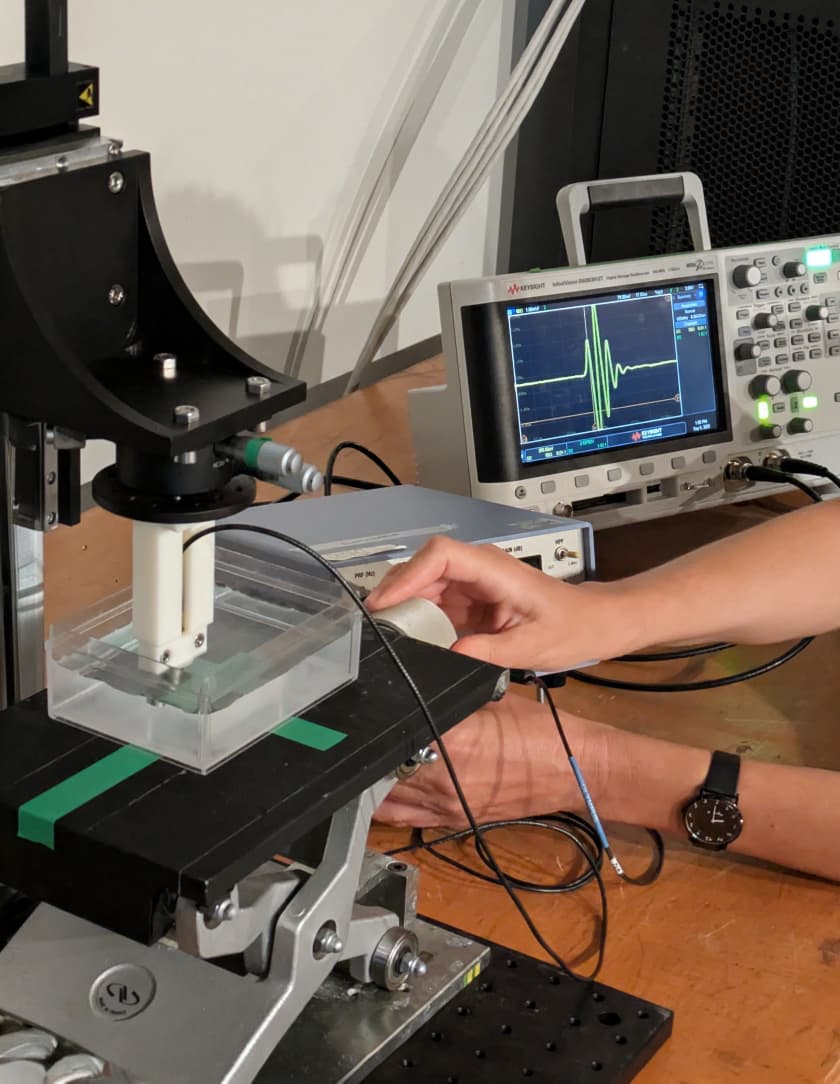
The Ultrasounds and Underwater Acoustics courses (hydrophones, sonar, transducer design for NDT and medical/industrial use) sit directly upstream of my thesis: designing a custom MEMS cantilever-microphone transducer and resonator housing for a photoacoustic CO₂ sensor, validated with a laser Doppler vibrometer and a lock-in amplifier.
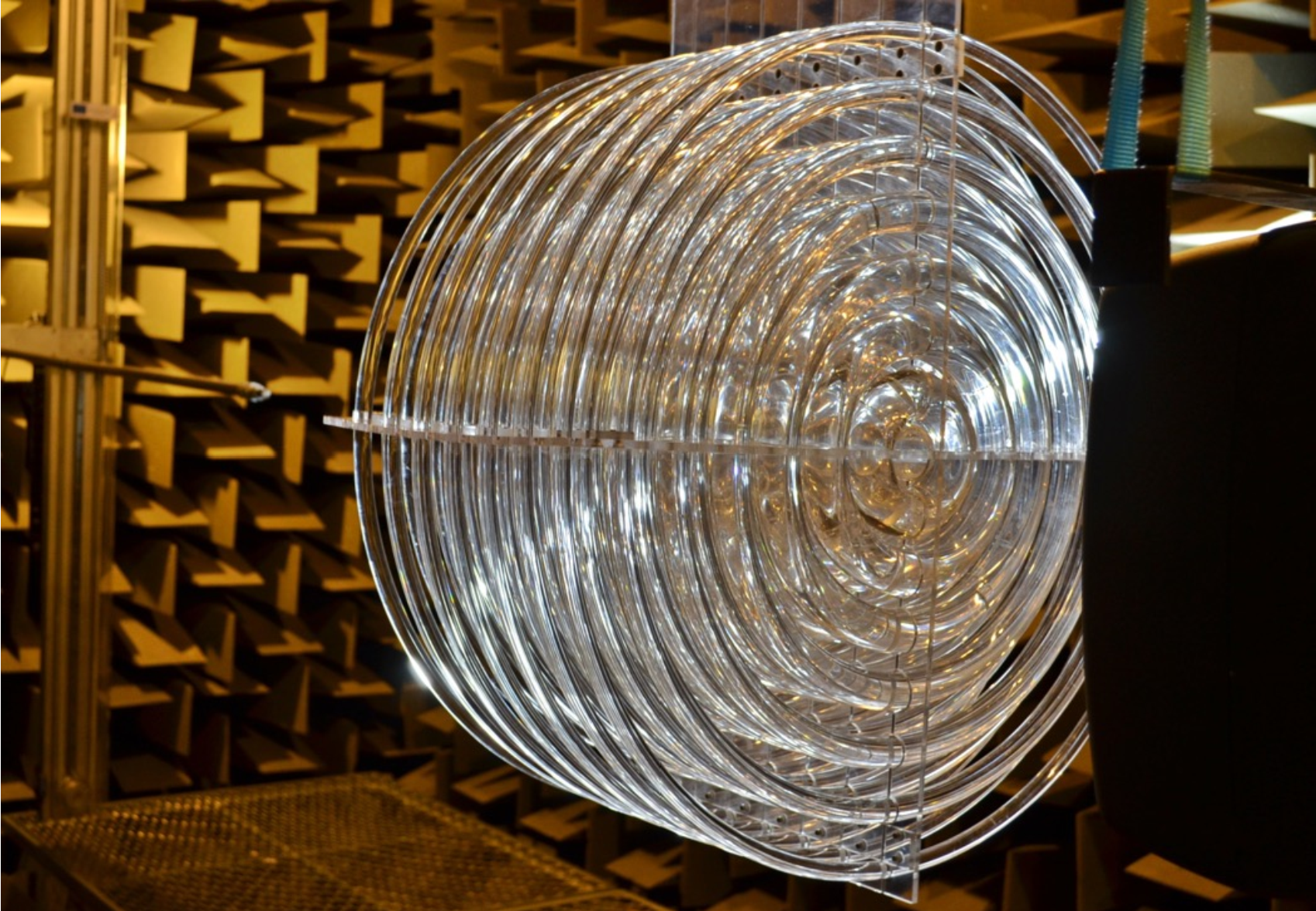 04 · Metamaterials
Acoustic Metamaterials & Wave Control
Subwavelength media, negative refraction, transformation acoustics, and acoustic cloaking from the Marseille Metamaterials course, grounded by a 3-month internship at LMA on wave propagation through granular metamaterial chains — the basis of my second published paper.
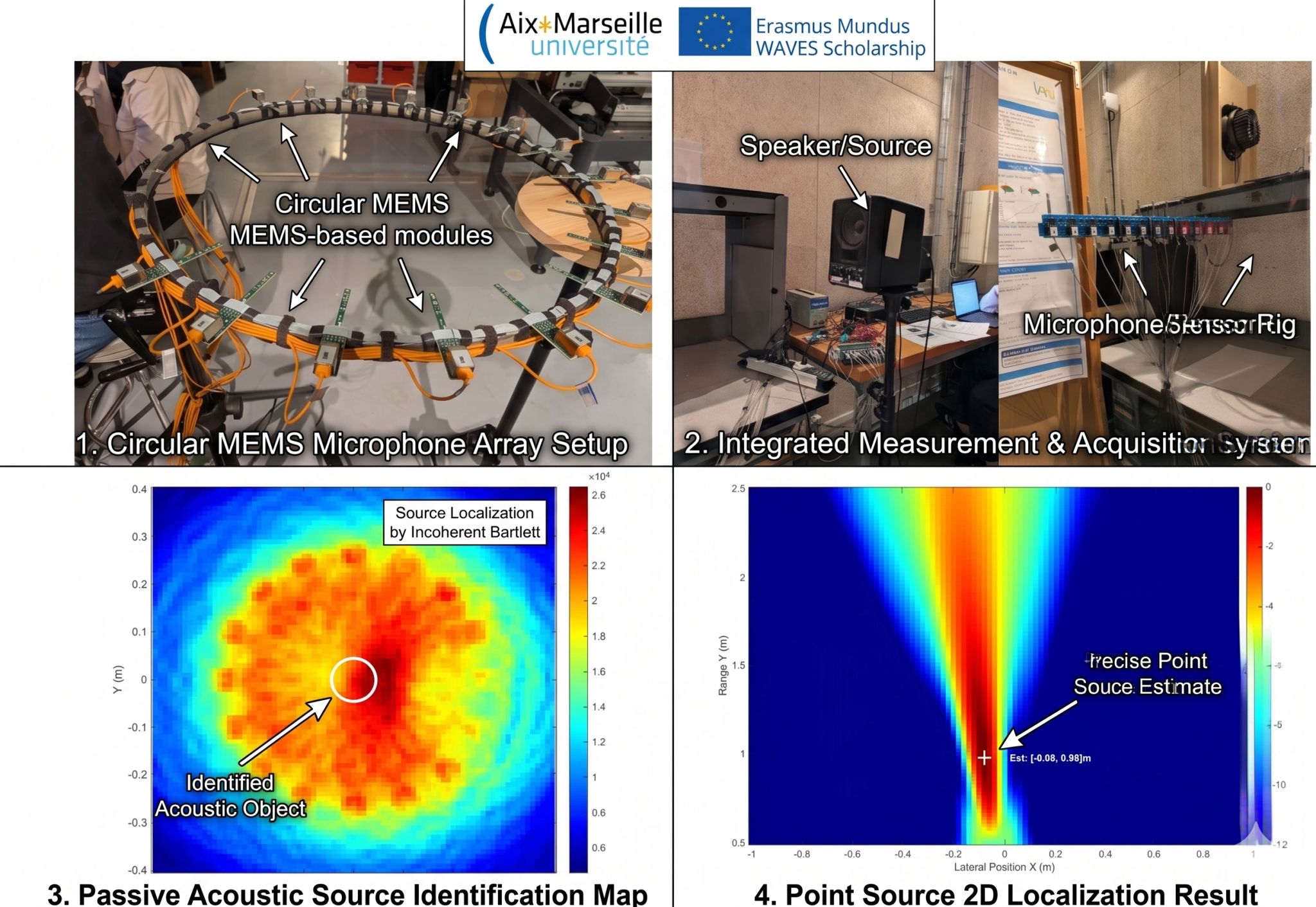 05 · Imaging & NDE
Acoustic Imaging & Non-Destructive Evaluation
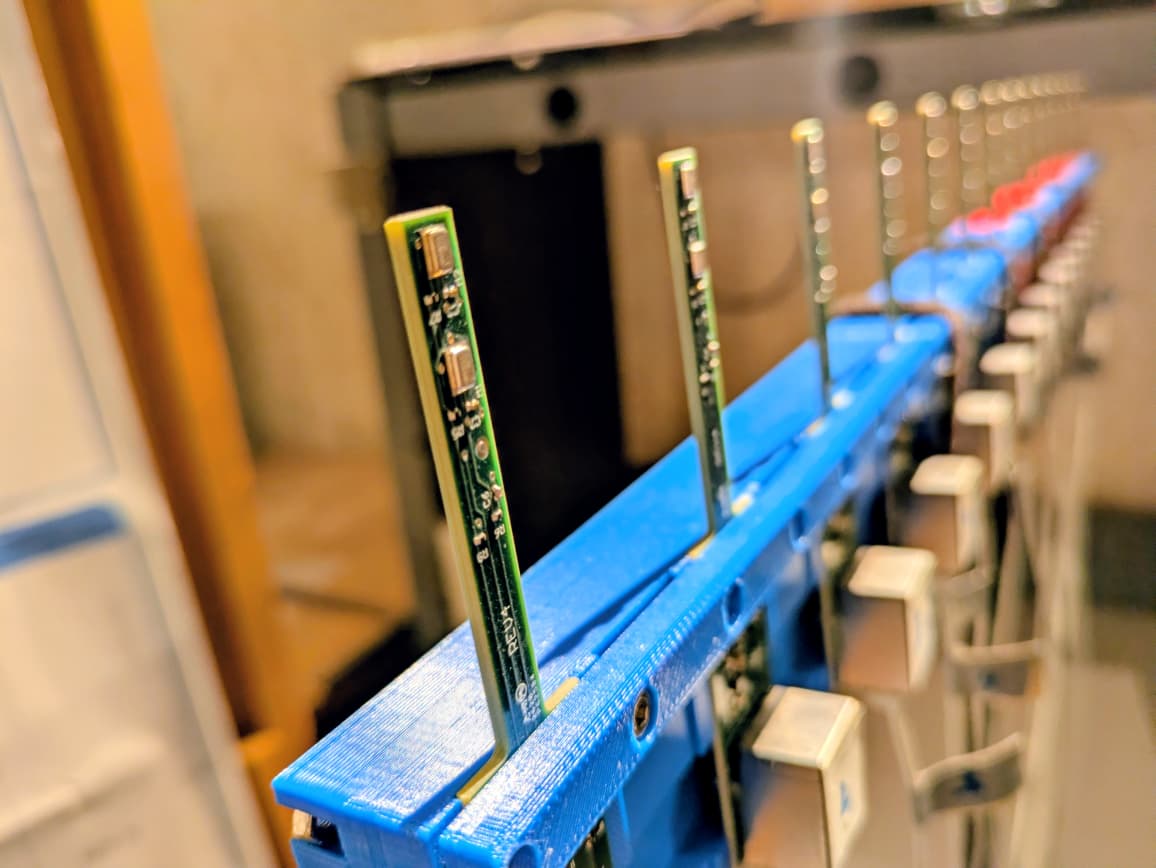
Phased-array ultrasonic inspection and damage identification from the Acoustic Imaging course, carried into a curved MEMS microphone-array project for object detection and passive imaging — the same array/beamforming toolkit that non-destructive evaluation and biomedical ultrasound imaging groups run on.
What I actually worked on
A quick index of the technical projects behind each placement — full detail, images, and results are on the Research page.
Coimbra
Vibration testing on porous/civil materials, microscopy characterization, and an FDM/FEM computational-modeling project.
See on Research page →València
LabVIEW instrumentation portfolio, FDTD simulation, Zener-diode noise generator, omni-directional microphone testing.
See on Research page →Aix‑Marseille
Granular-metamaterials internship at LMA, MEMS microphone-array object detection, passive imaging, beamforming, FWI, and a gong nonlinear-vibration study.
See on Research page →Looking for a PhD position
I'm actively seeking doctoral opportunities in acoustics, MEMS sensing, vibration engineering, or applied mathematics for nonlinear wave phenomena. If any of this overlaps with your group's work, I'd love to talk.
Get in touch